Reaching Out to the World

In the face of mounting threats from China, the Tibetan government undertook urgent diplomatic efforts to protect its sovereignty and assert its centuries-old independence on the global stage.

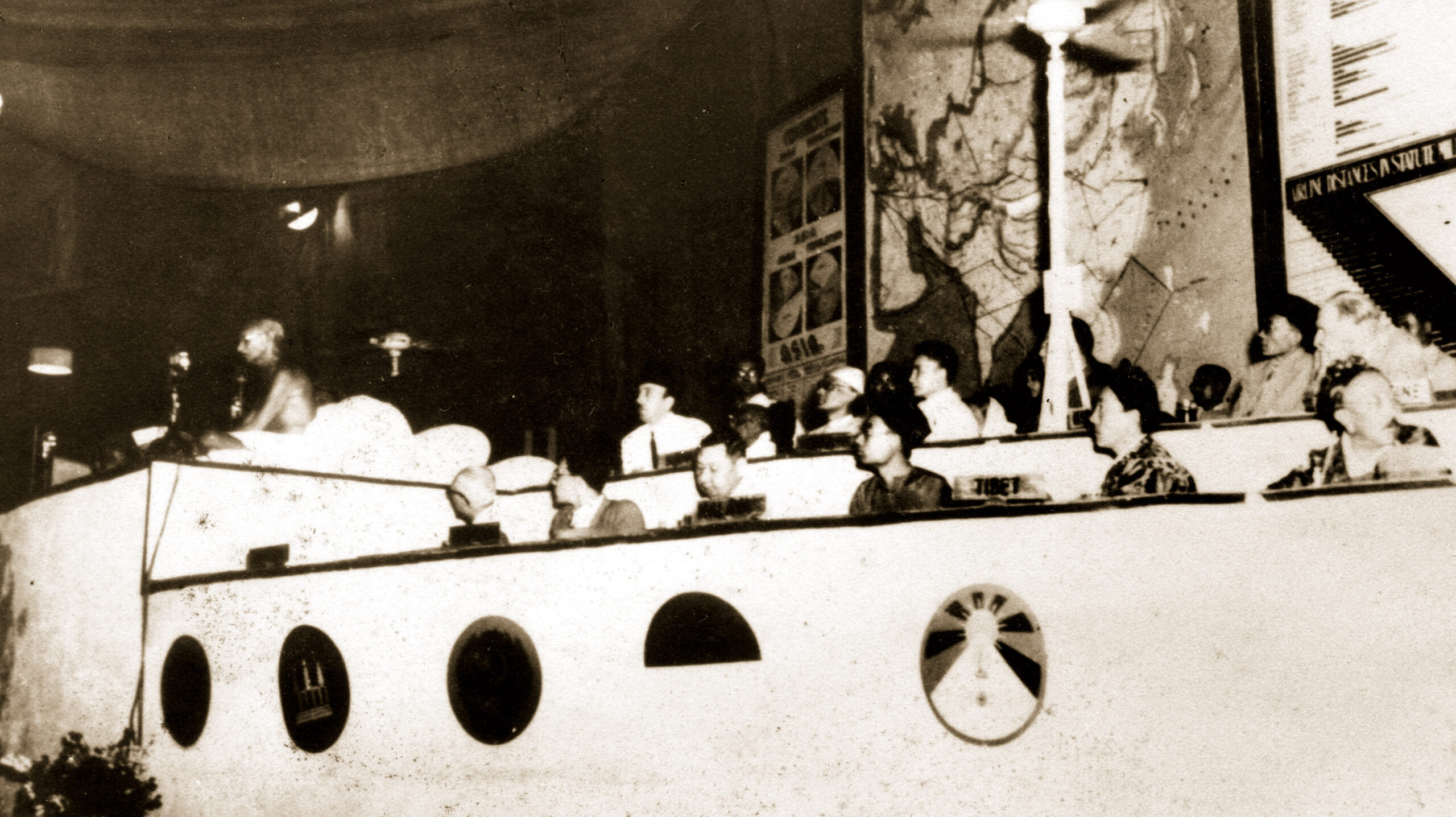
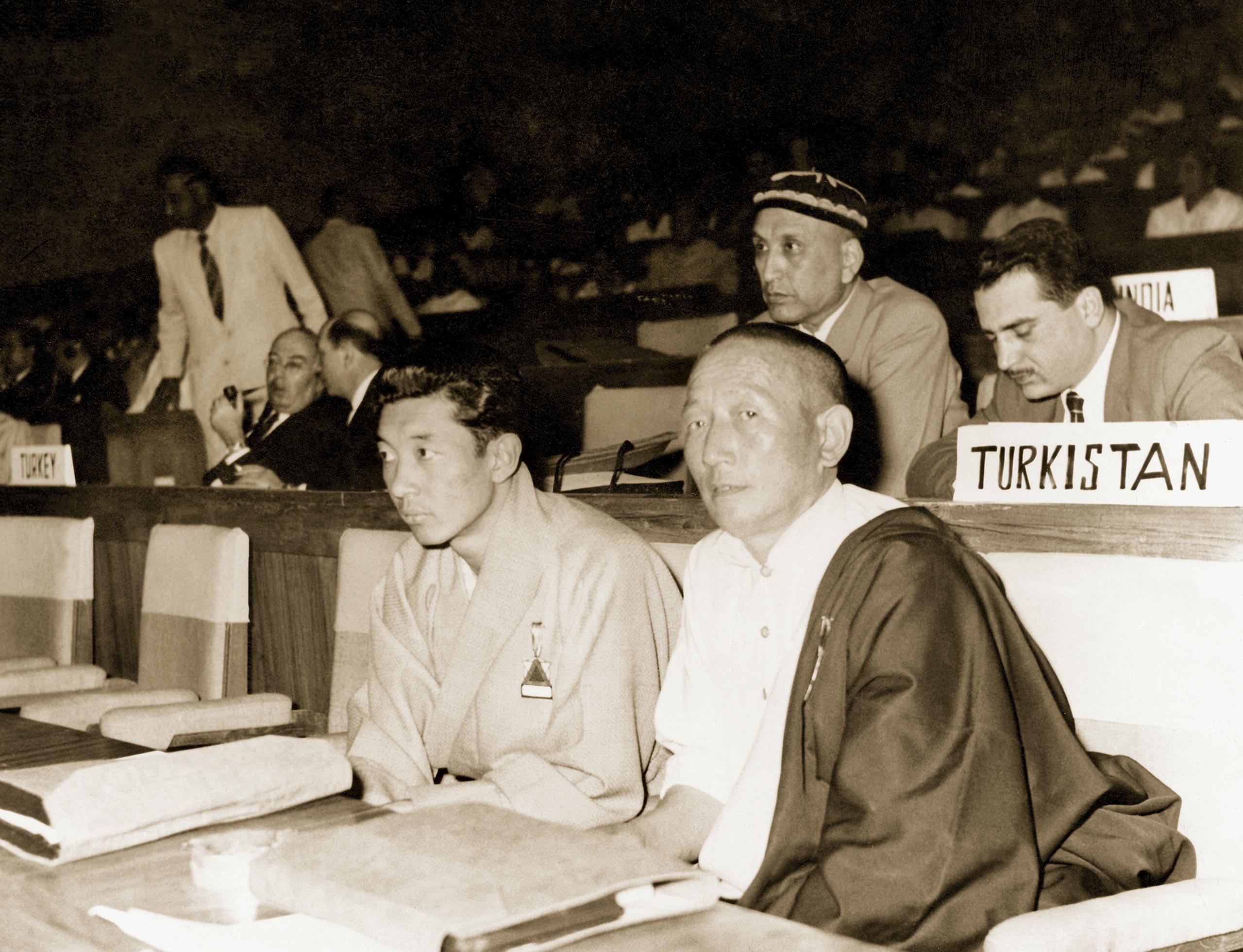
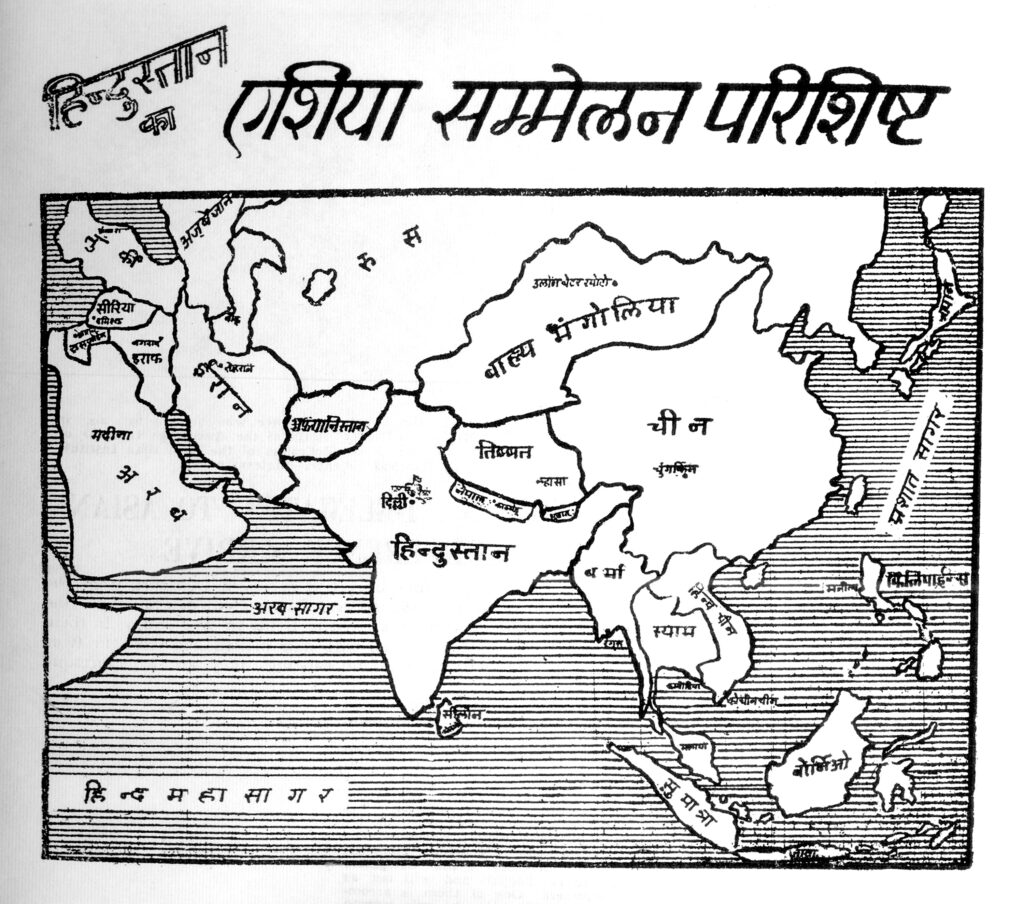
In 1947, a Tibetan delegation participated in the First Asian Relations Conference in New Delhi—marking a significant milestone in modern Tibetan diplomacy. Led by Teiji Tsewang Rigzin Sampho and Khenchung Lobsang Wangyal from the Tibetan Foreign Office, the delegation was seated with the Tibetan national flag prominently displayed on the rostrum. A map of Tibet as an independent nation was also featured at the venue, signaling Tibet’s distinct political identity to other Asian nations and the international community.

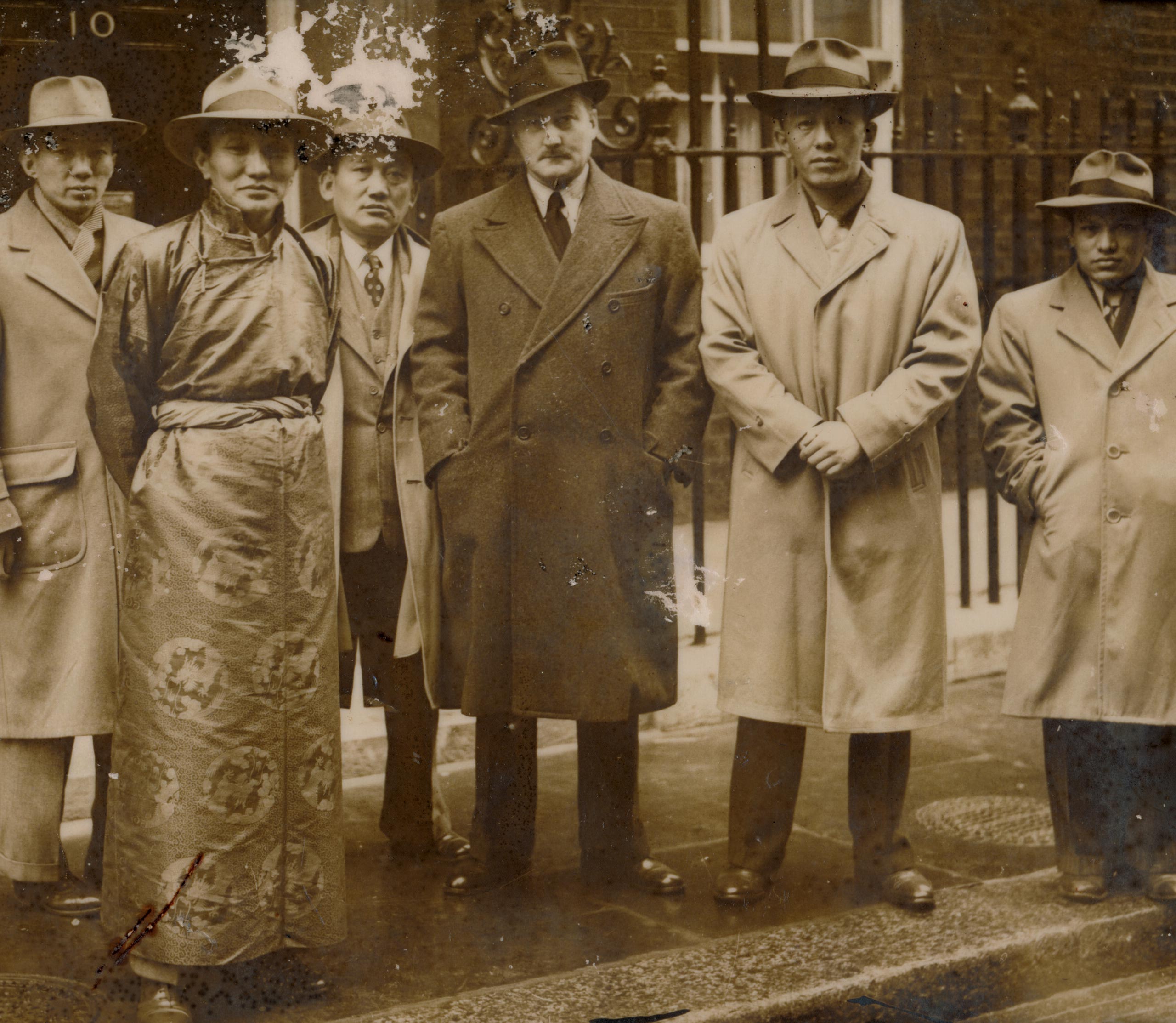
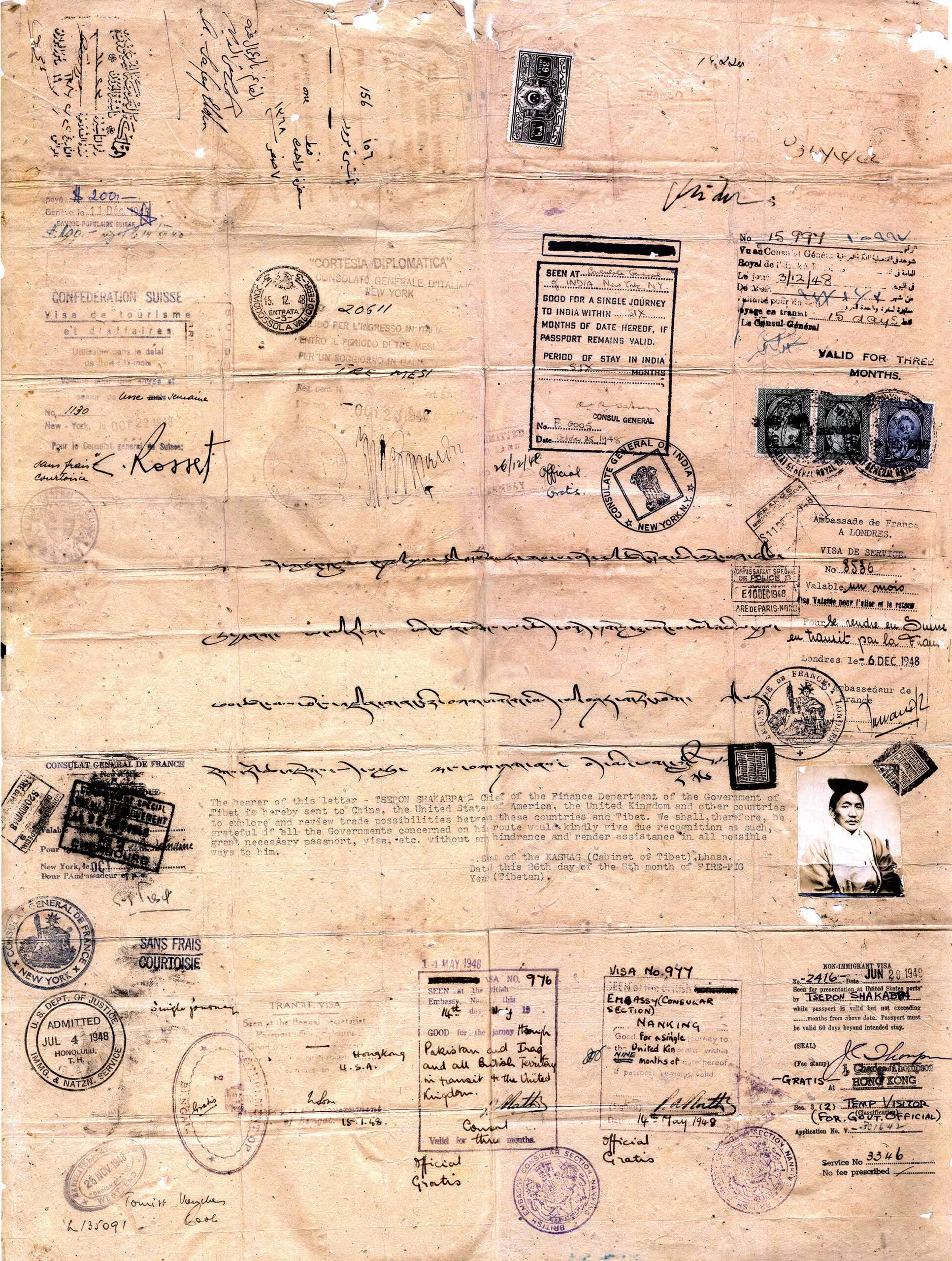
That same year, although His Holiness the 14th Dalai Lama had not yet assumed political office, his government took a historic step by sending a trade delegation abroad. Led by Finance Minister W.D. Shakabpa, the mission travelled in 1948 to India, China, the United Kingdom, and the United States, using passports issued by the Tibetan government in Lhasa. This mission marked a break from Tibet’s long-standing isolationist policies. A central goal was to assert Tibet’s independent status and counter China’s territorial claims.

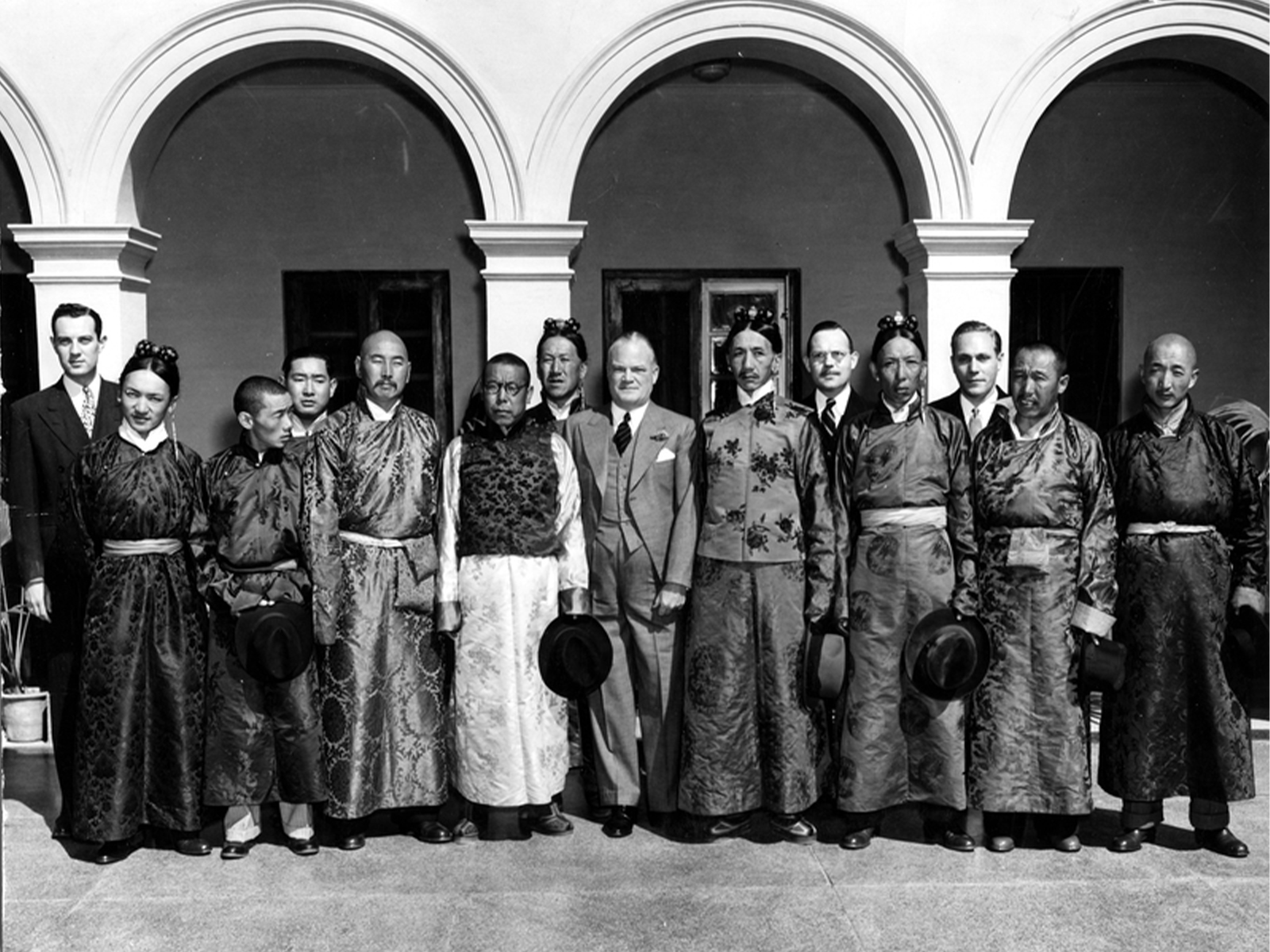
Earlier, in 1946, the Tibetan government sent a goodwill delegation to the American Commissioner in New Delhi with gifts and a letter addressed to the President of the United States, congratulating the U.S. on its victory in the Second World War. Commissioner George R. Merrell formally received the message and gifts, reflecting Tibet’s efforts to engage with the international community.

Following China’s military invasion of eastern Tibet in 1950, the young Dalai Lama appealed to the United Nations for intervention. On 7 November 1950, El Salvador raised the Tibetan issue at the UN General Assembly, leading to discussions in subsequent sessions. On 18 November, the General Assembly condemned China’s invasion. In the years following his exile, His Holiness continued to call on the UN, resulting in three resolutions—adopted in 1959, 1961, and 1965—recognizing the Tibetan people’s suffering and affirming their right to self-determination.

Mahatma Gandhi addressing the closing plenary session of the Asian Relations Conference in Delhi in 1947. Seated beside him are delegates from Asian countries. Two Tibetan representatives (front right) are visible on the dais, with the Tibetan national flag prominently displayed among those of other participating nations. This marked one of Tibet’s earliest international diplomatic appearances in modern history.
Tibetan representatives Teiji Tsewang Rigzin Sampho and Khenchung Lobsang Wangyal attending the Asian Relations Conference, Delhi, 1947. Photo courtesy: Library of Tibetan Works and Archives
The Tibetan Trade Delegation, led by Finance Minister W.D. Shakabpa, is seen with British Prime Minister Clement Attlee at 10 Downing Street, London, UK in 1948. Dispatched by the Tibetan government, the mission aimed to explore commercial treaty possibilities and alongside assert Tibet’s independent status in wake of China’s territorial claims. Photo courtesy: Shakabpa Collection
Members of the Tibetan delegation photographed during the ceremonial presentation of letters and gifts to George R. Merrell, American Commissioner in New Delhi, addressed to the President of the United States, congratulating the U.S. on the Allied victory in the Second World War. Photo courtesy: Harry S. Truman Library & Museum
A rare copy of the passport issued by the Tibetan government to Finance Minister Shakabpa for the 1947-48 Trade Mission. The delegation travelled extensively to India, China, the United States, the United Kingdom, France, Switzerland, and Italy on a passport officially issued by the Tibetan government in Lhasa.
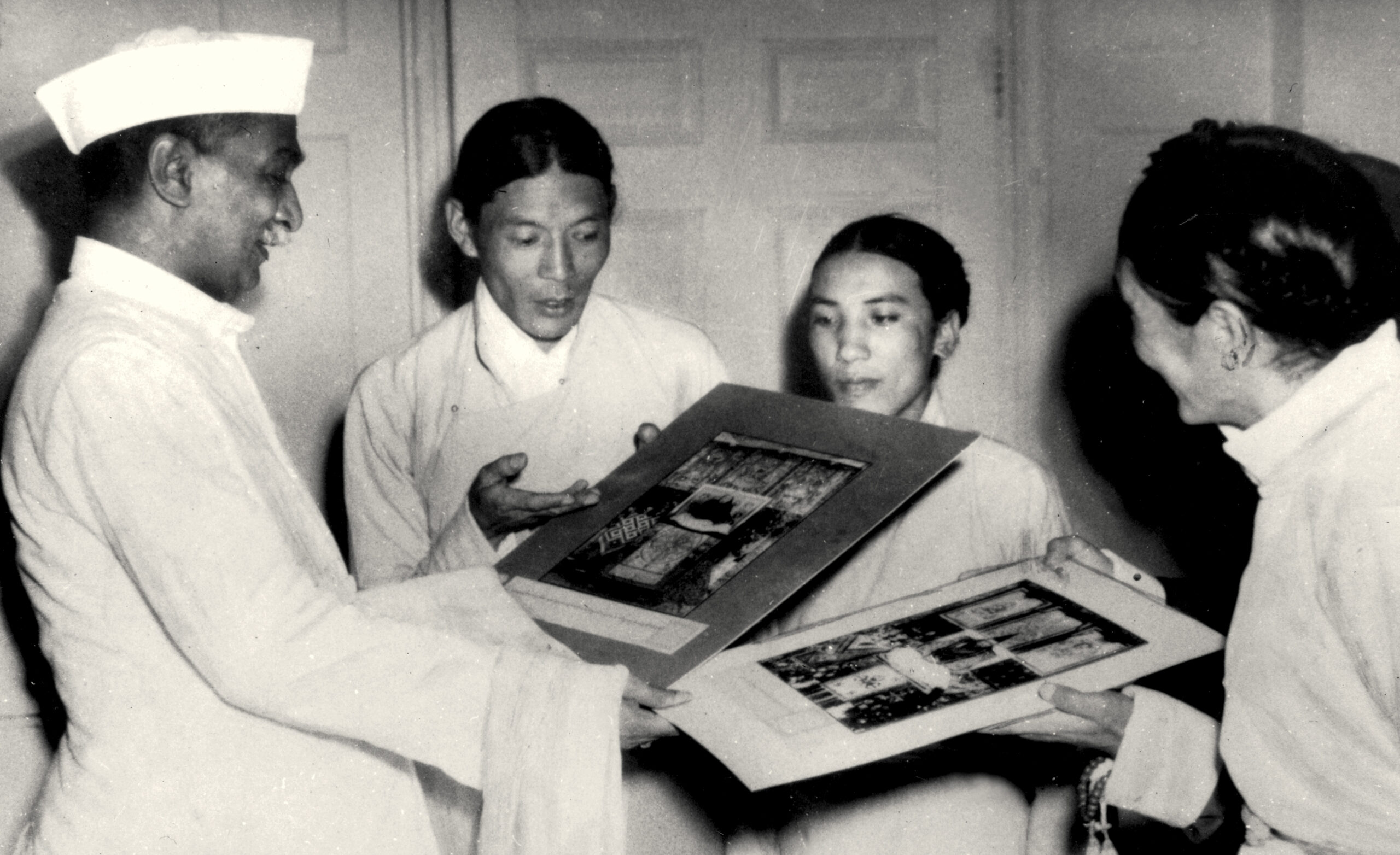
The Tibetan Delegation meeting with Indian President Dr. Rajendra Prasad in New Delhi in 1948, reflecting Tibet’s ongoing diplomatic outreach with newly independent India.
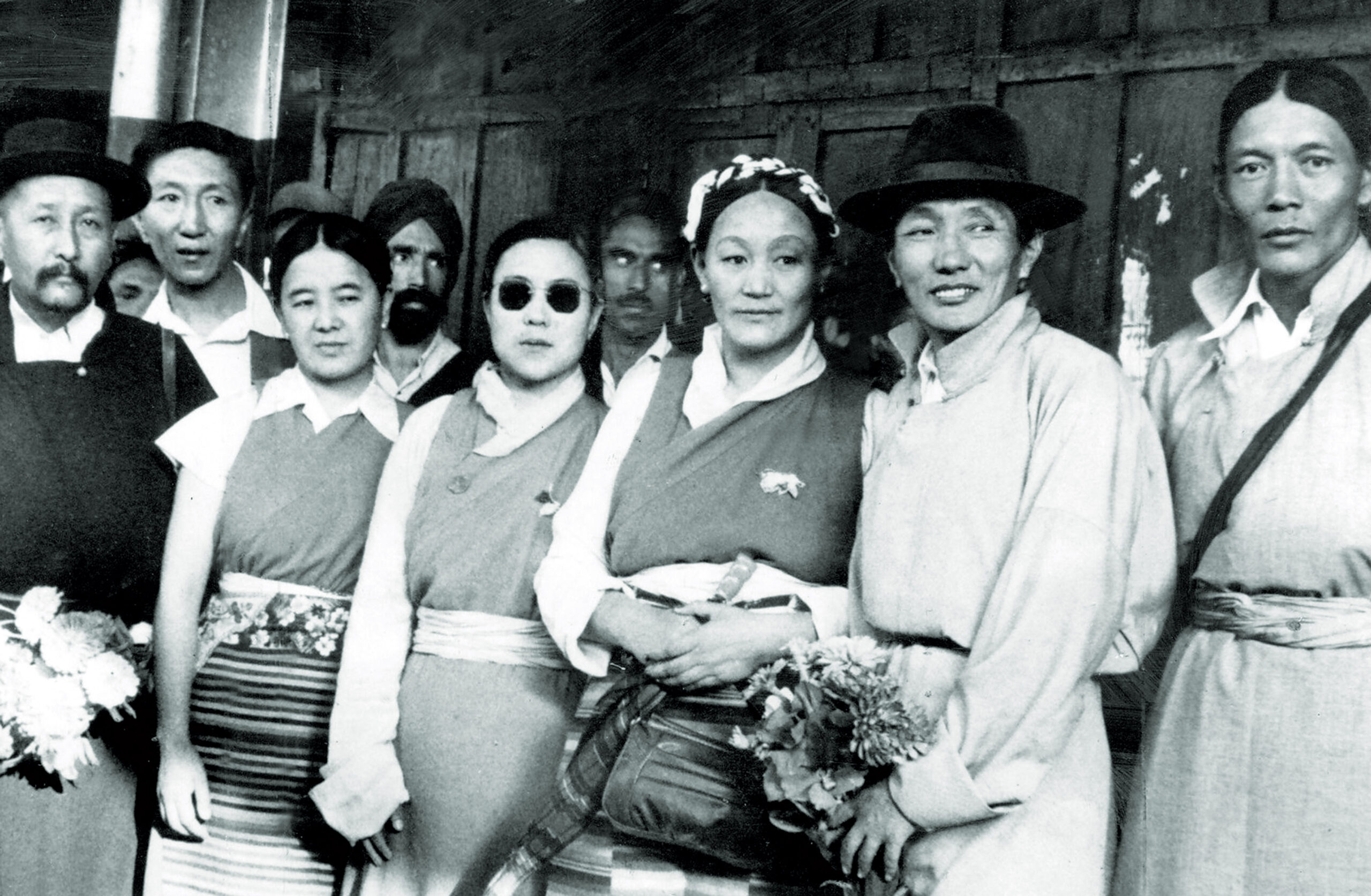
Delegates of the Tibetan government led by W.D Shakabpa, prepare to depart for China from Delhi in September 1950, in a last-minute effort to negotiate and avert Chinese invasion. But the planned visit was shelved following the 6th October 1950 attack on the Tibetan forces in Chamdo by the People’s Liberation Army. Shakabpa remained in India after the invasion and began to write his book on the political history of Tibet.
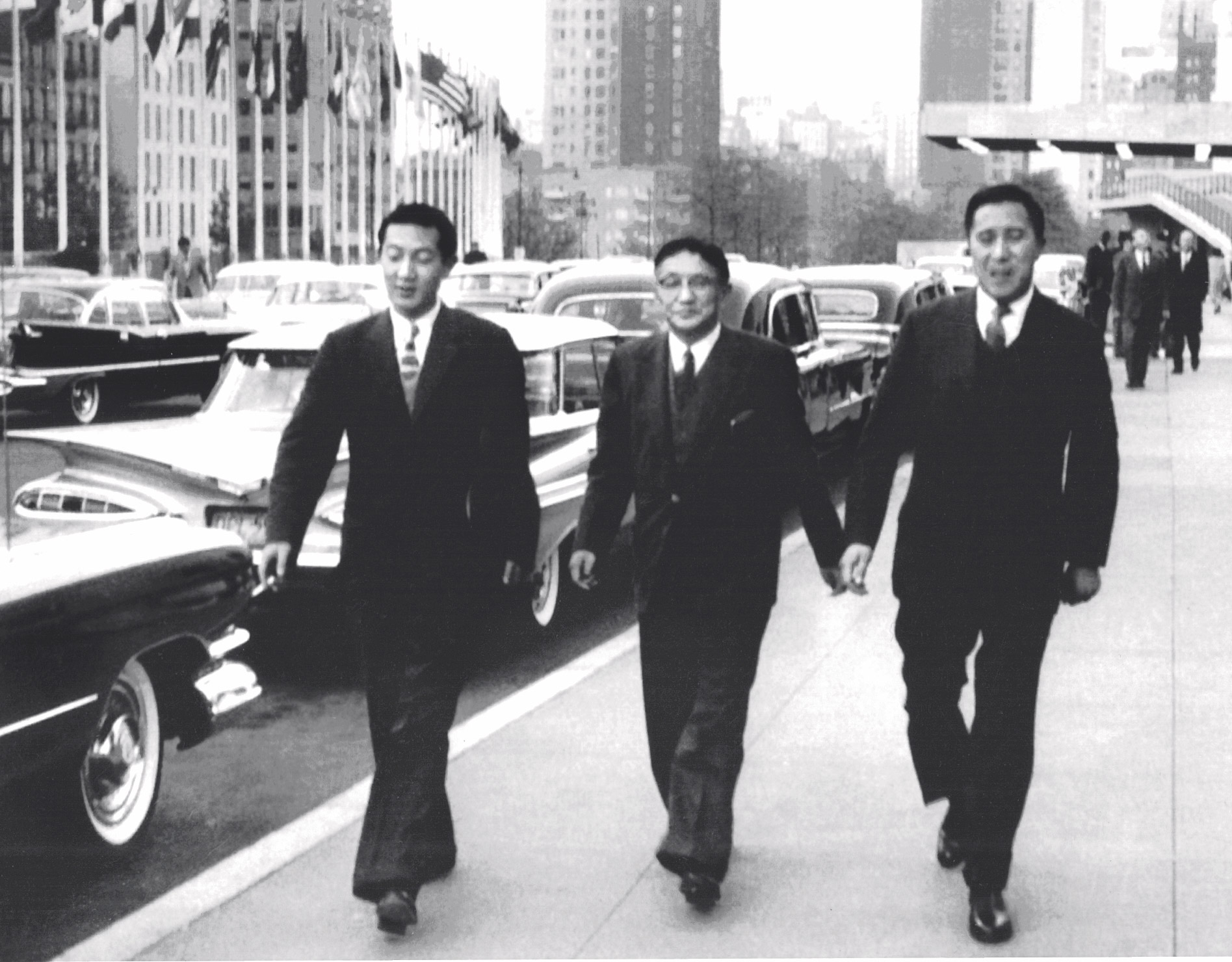
Tibetan delegation member (left to right) Rinchen Sadhutsang, W.D. Shakabpa, and Gyalo Thondup, in front of the United Nation Headquarters in New York on October 1, 1959. The delegation travelled to New York to present Tibet’s case to the General Assembly of the United Nations, following the brutal suppression of the Tibetan uprising and the Dalai Lama’s escape into exile. Photo courtesy: Tibet Documentation