The Great Escape

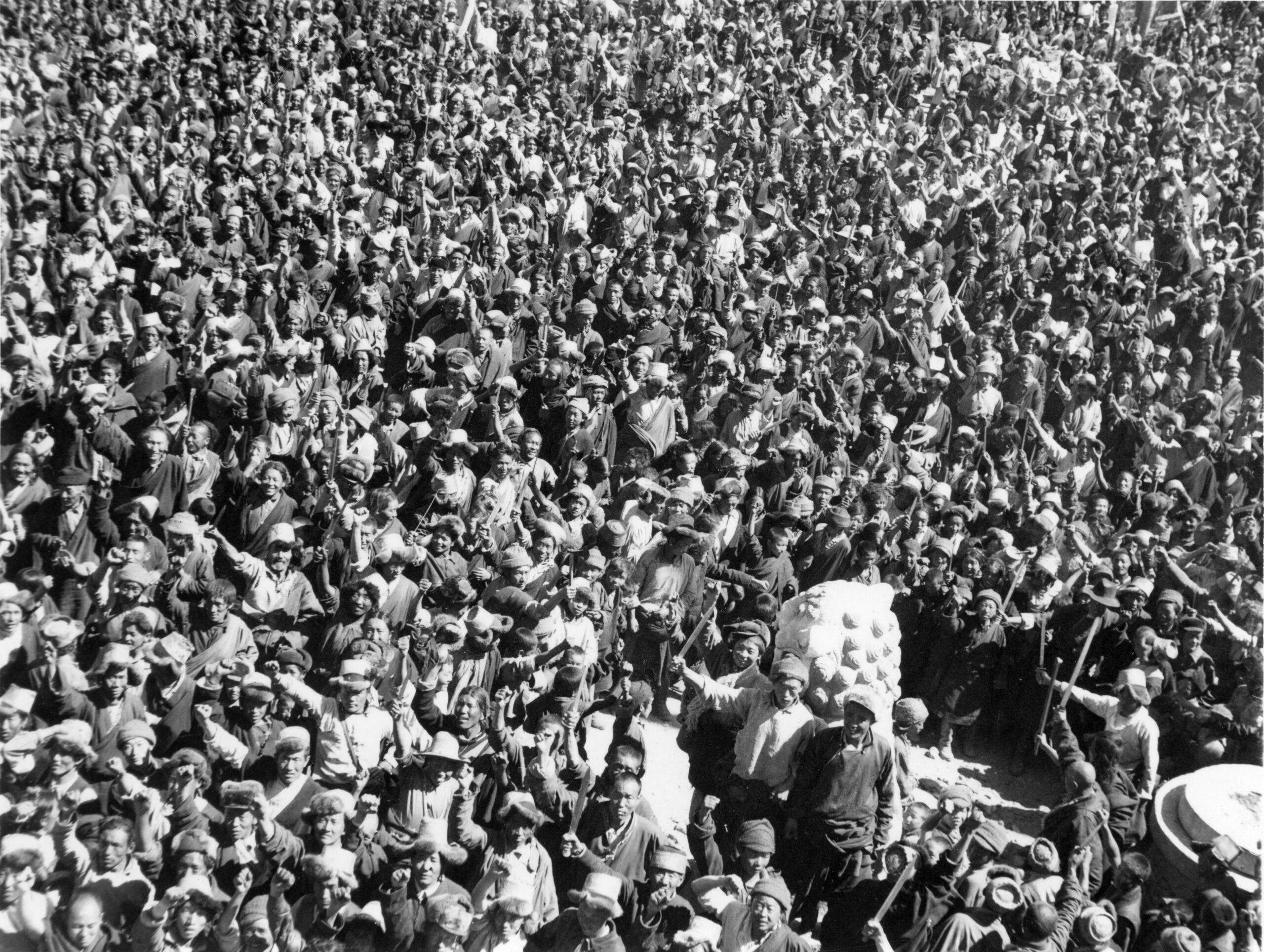
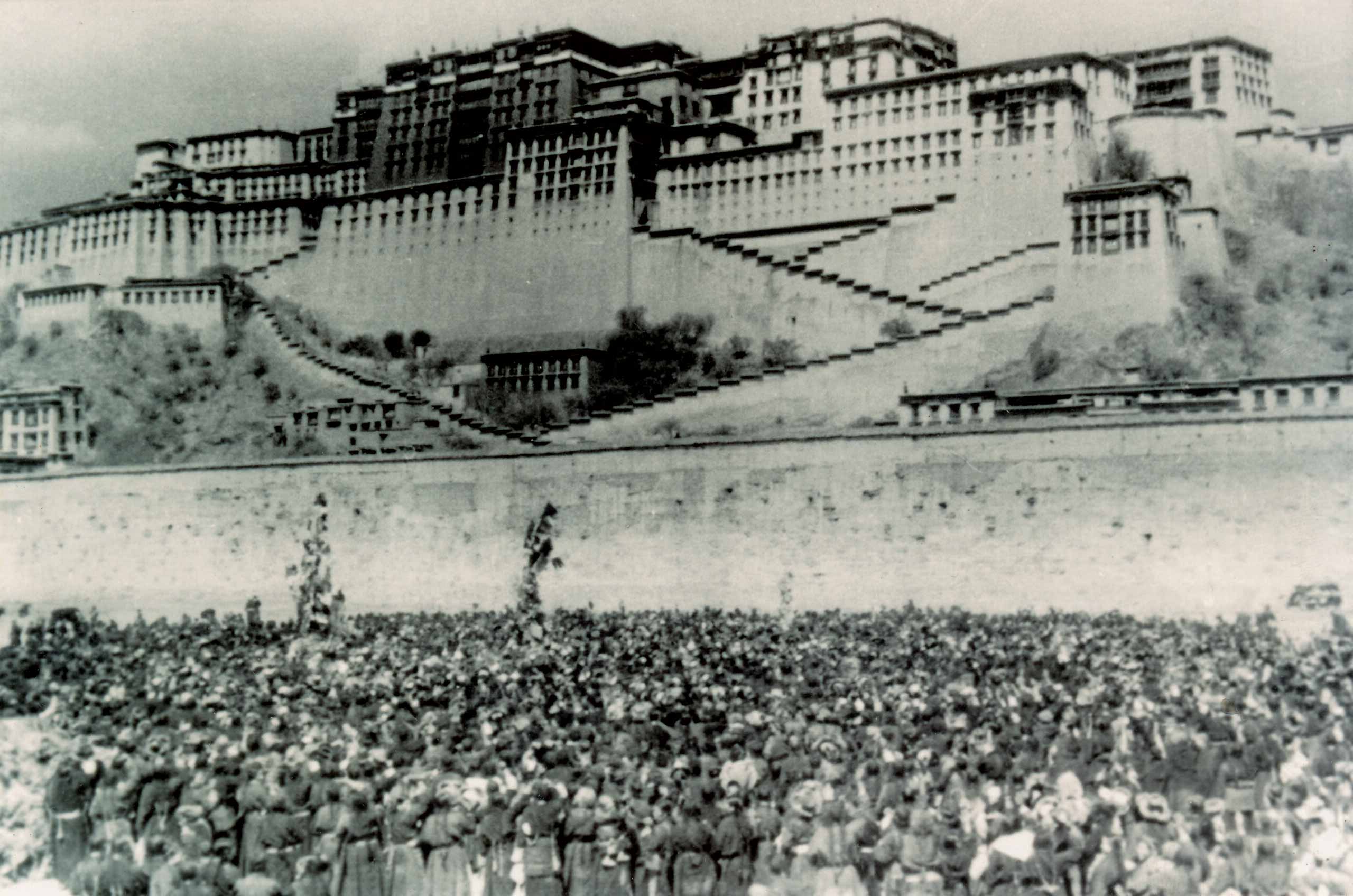
In March 1959, Lhasa erupted in resistance. Fearing a Chinese plot to abduct His Holiness the Dalai Lama and forcibly take him to Beijing, tens of thousands of Tibetans surrounded Norbulingka, his summer palace, to protect their leader. What began on March 10 as a peaceful demonstration quickly escalated into a full-scale national uprising. Just two days later, on March 12, Tibetan women—led by courageous figures like Kunsang—marched through the streets of Lhasa, demanding China’s withdrawal and asserting Tibet’s sovereignty. Their defiance was met with brutal force as Chinese troops shelled the city, killing thousands.

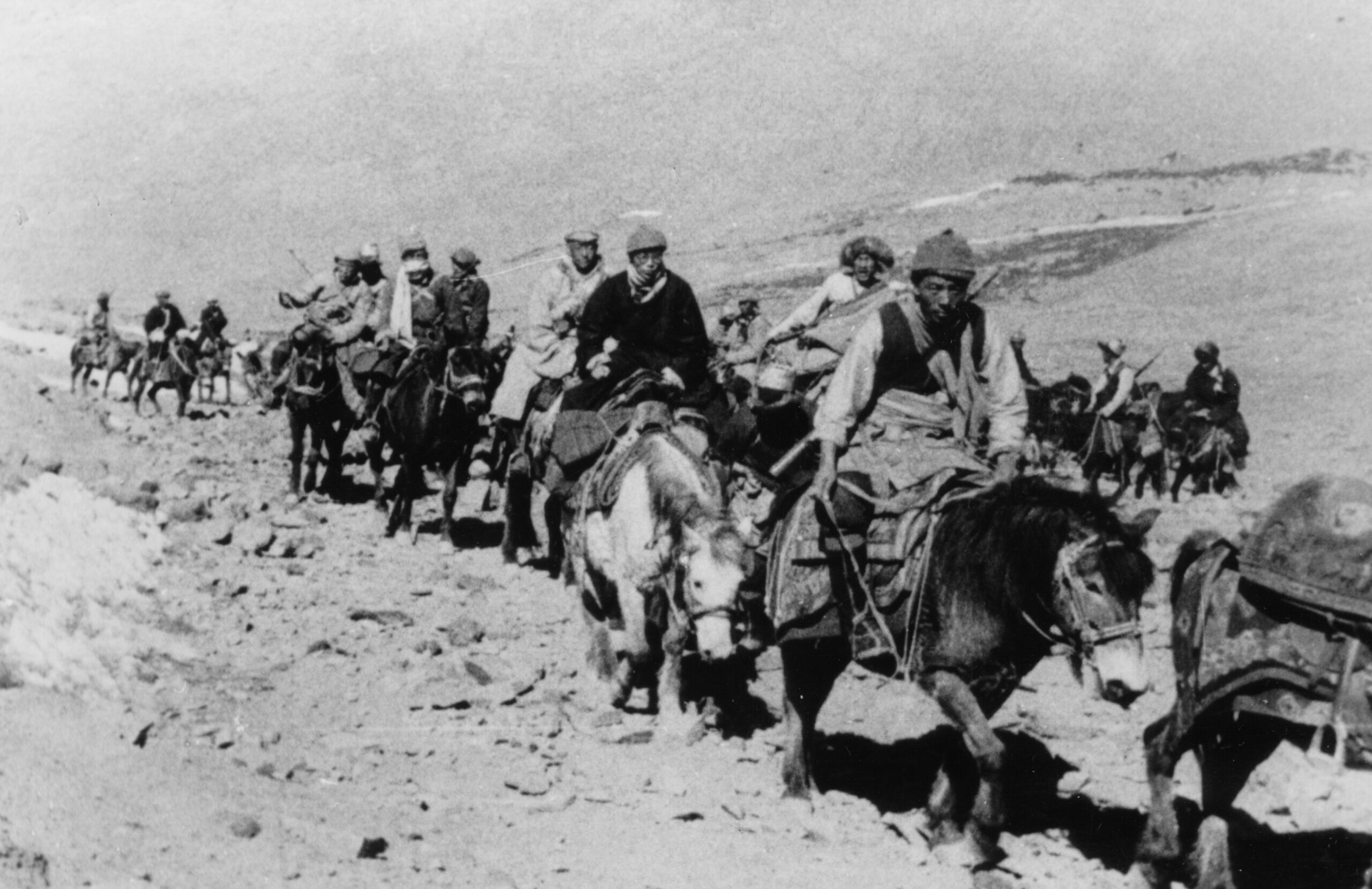
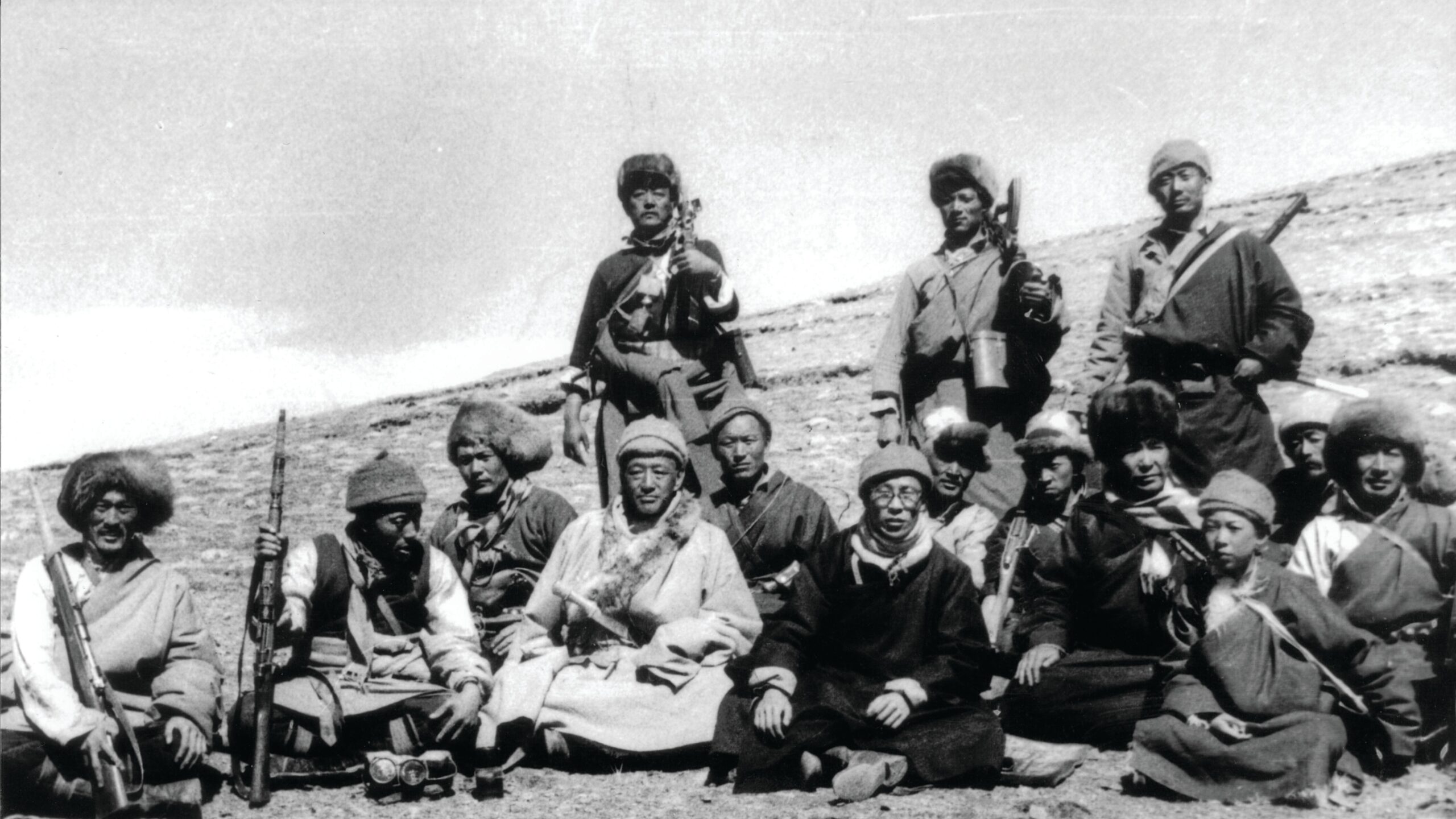
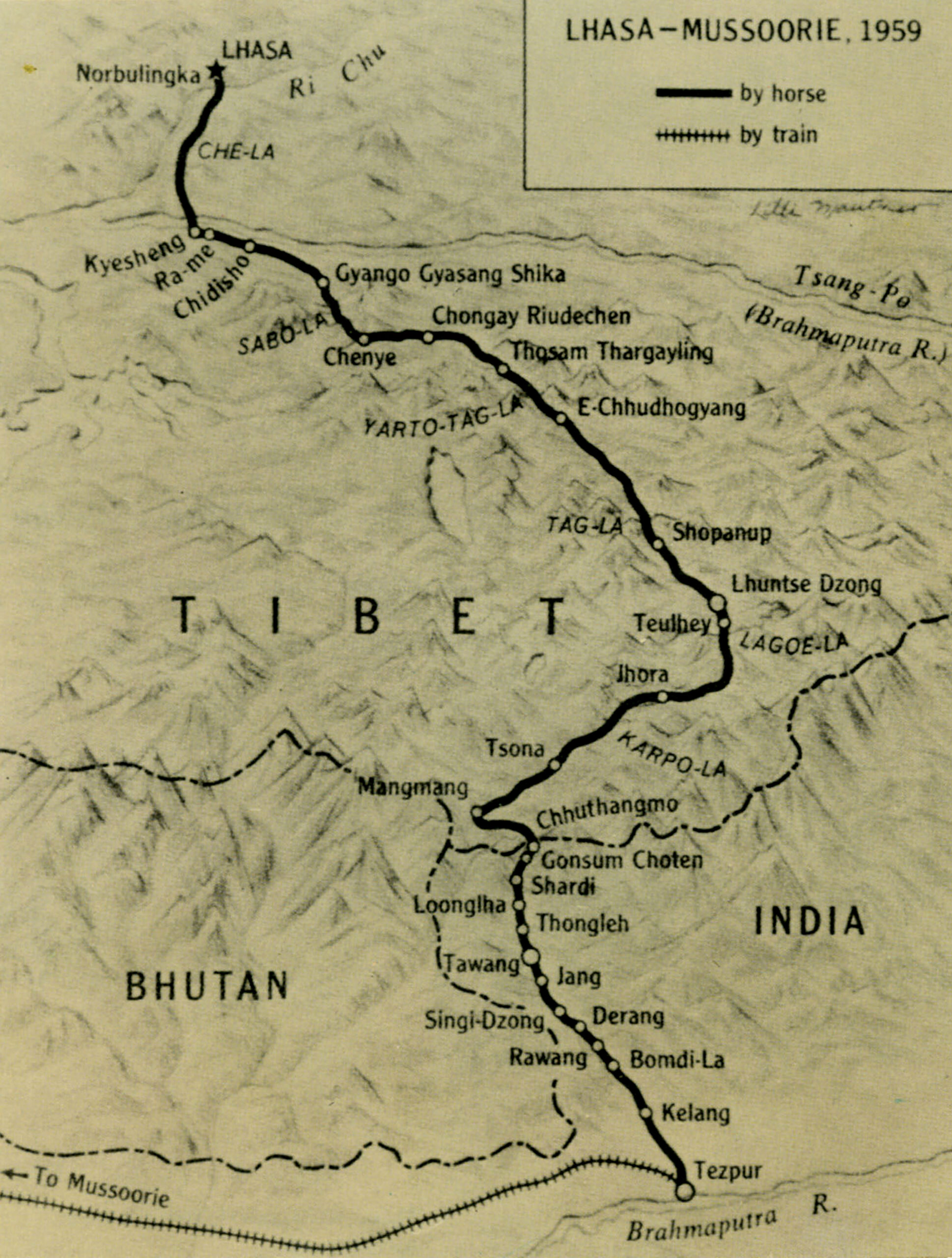
Amid the escalating crisis, His Holiness made a life-altering decision. On the night of March 17, 1959, at the age of 24, he slipped out of Norbulingka disguised as a lay soldier. Thus began a perilous two-week journey across the Himalayas. Accompanied by a small entourage, including members of his cabinet, he traveled on foot and horseback through treacherous terrain, evading Chinese patrols in a desperate bid for safety and freedom.

On March 26, after reaching Lhuntse Dzong, His Holiness established a temporary Tibetan government and formally repudiated the “Seventeen-Point Agreement,” declaring that Tibet had historically been an independent nation. On March 31, he and his entourage crossed into India through the Assam Rifles post at Chuthangmu near Ziminthang and continued on to Tawang, where they were received with deep warmth and reverence by local communities.

In Bomdila, His Holiness was formally welcomed by Prime Minister Nehru’s special envoy, P.N. Menon. There, for the first time, he experienced what he described as a true sense of “freedom.”

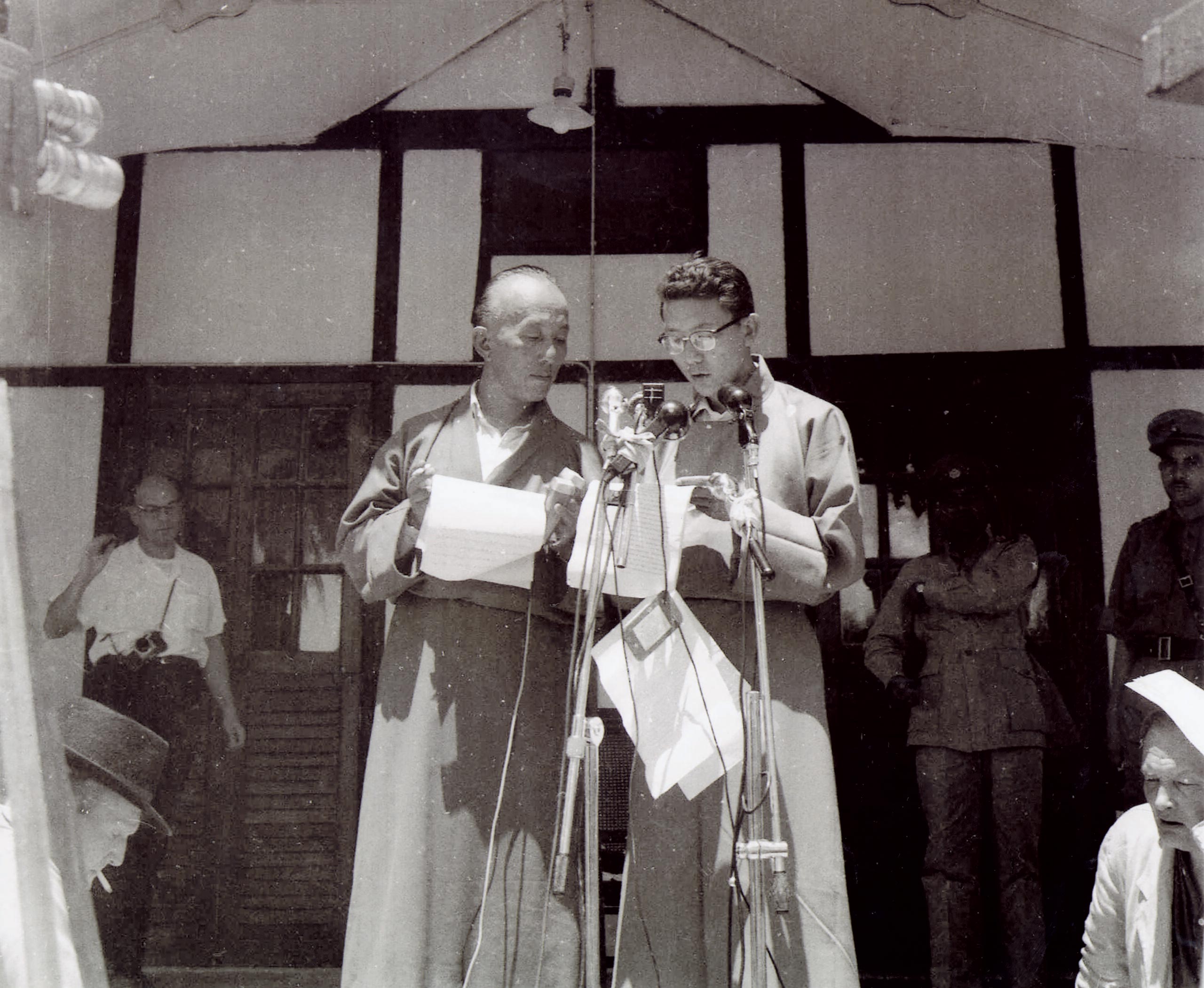
On April 18, from Tezpur, Assam, His Holiness addressed the international press, explaining that the violent invasion and atrocities committed by Chinese forces had made his escape inevitable. He expressed profound gratitude to the Indian government and people for offering asylum.

After spending time in Mussoorie, he settled in Dharamshala in April 1960, where he established the Tibetan government-in-exile, known as the Central Tibetan Administration.

His escape marked not just survival, but the beginning of a renewed spiritual and political mission—to safeguard Tibetan identity, culture, and the enduring hope for freedom.

In the morning of March 10, 1959, around 30,000 Tibetans in Lhasa streamed out of the city and surrounded the Norbulingka to protect His Holiness the Dalai Lama from a suspected Chinese plot to abduct him during a performance. Photo courtesy: Tibet Documentation
Thousands of Tibetan women gathered in front of the Potala Palace to protest against Chinese invasion of Tibet. China responded with brutal force by shelling the city and killing thousands, Lhasa, March 12, 1959. Photo courtesy: Tibet Documentation
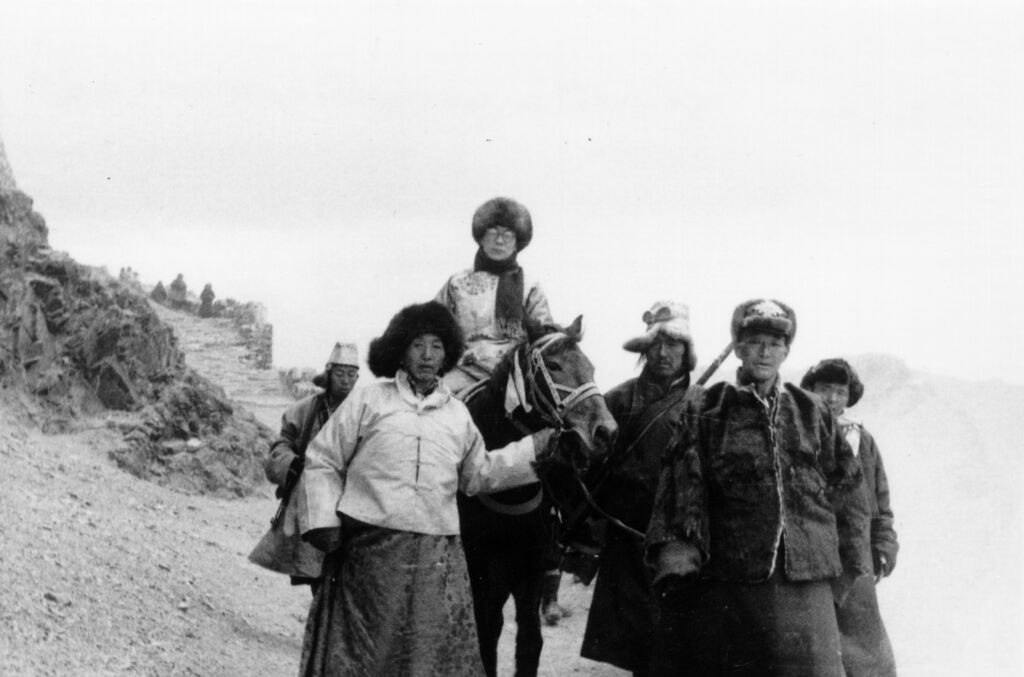
Wearing layman’s clothes, His Holiness the Dalai Lama escaped from Lhasa. Also seen in the photo is Ratu Ngawang (front), one of the founding members of the Volunteer Freedom Fighters (VFF) who accompanied the Dalai Lama and ensured his safe arrival into India. Photo courtesy: Library of Tibetan Works and Archives
His Holiness the Dalai Lama, Tenzin Choegyal (his younger brother) on his left, Phala Thupten Woeden (Lord Chamberlain) on his right and the security personnel pictured during their escape to India, March 1959. Photo courtesy: Library of Tibetan Works and Archives
At Lhuntse Dzong on March 26, 1959, His Holiness the Dalai Lama repudiated the Seventeen-Point Agreement and announced the reconstitution of the government of Tibet as the legal constituted authority over Tibet. Photo courtesy: The Tibet Museum
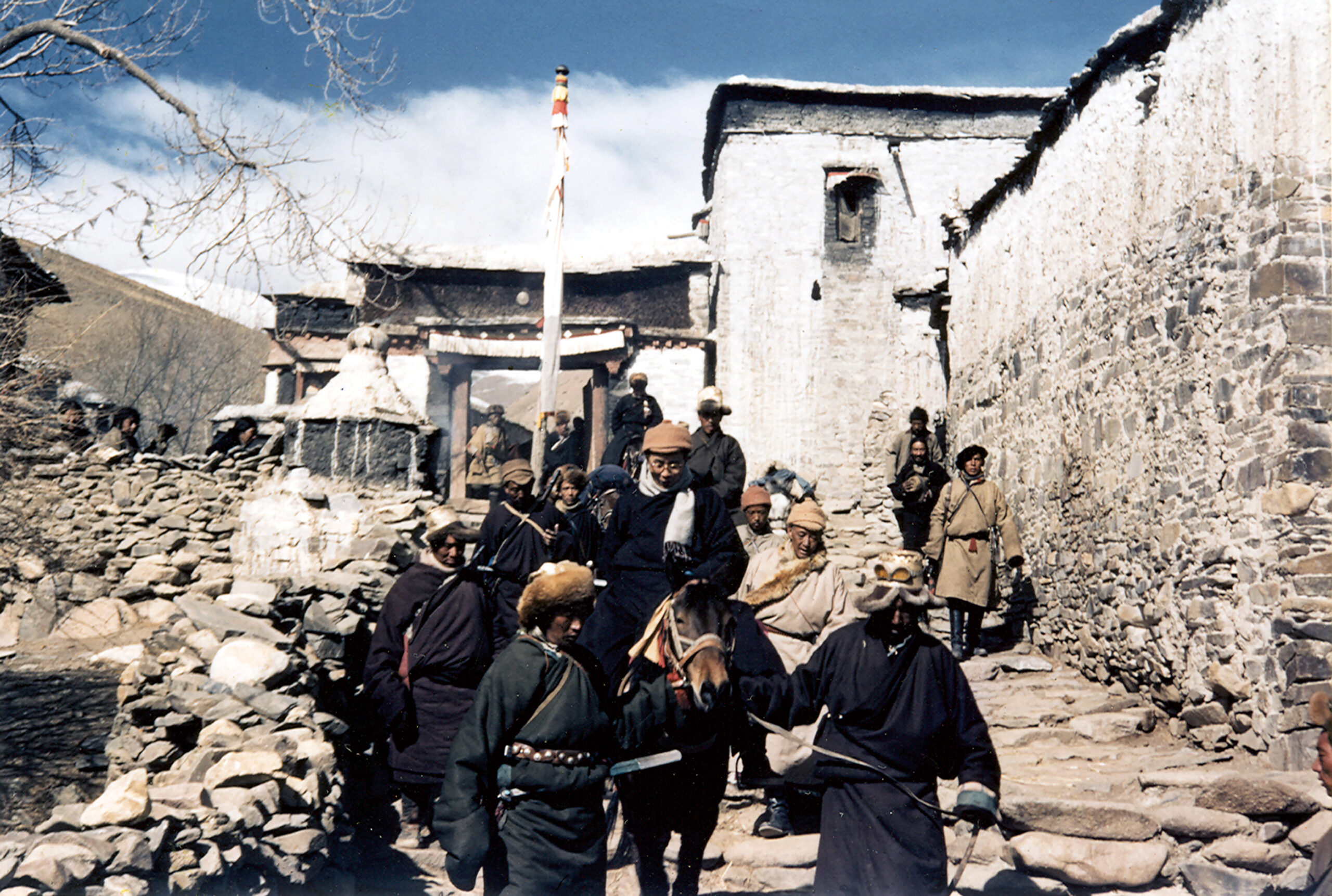
His Holiness the Dalai Lama and his retinue passing through a Tibetan village en route to India in March 1959. Photo courtesy: Library of Tibetan Works and Archives
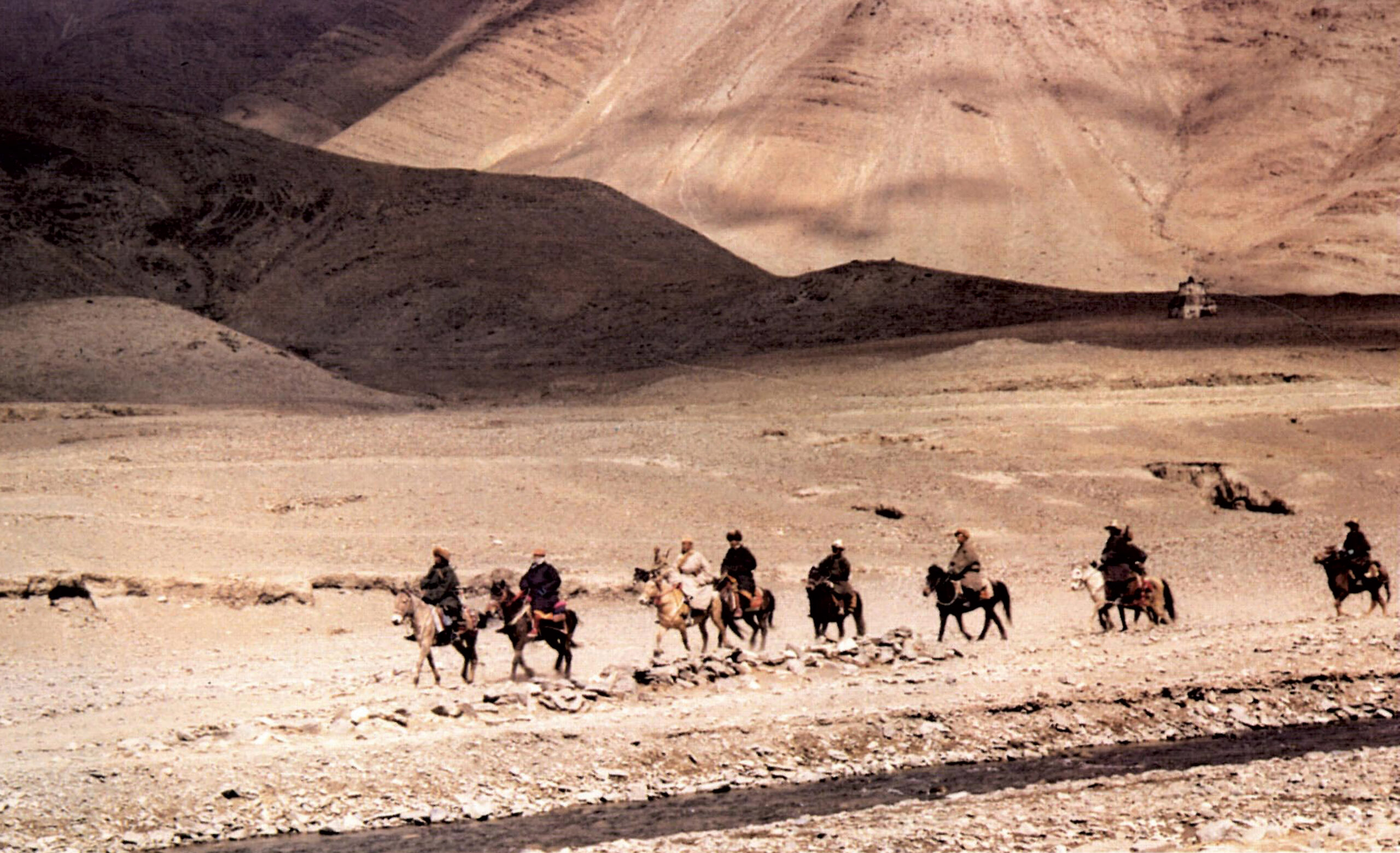
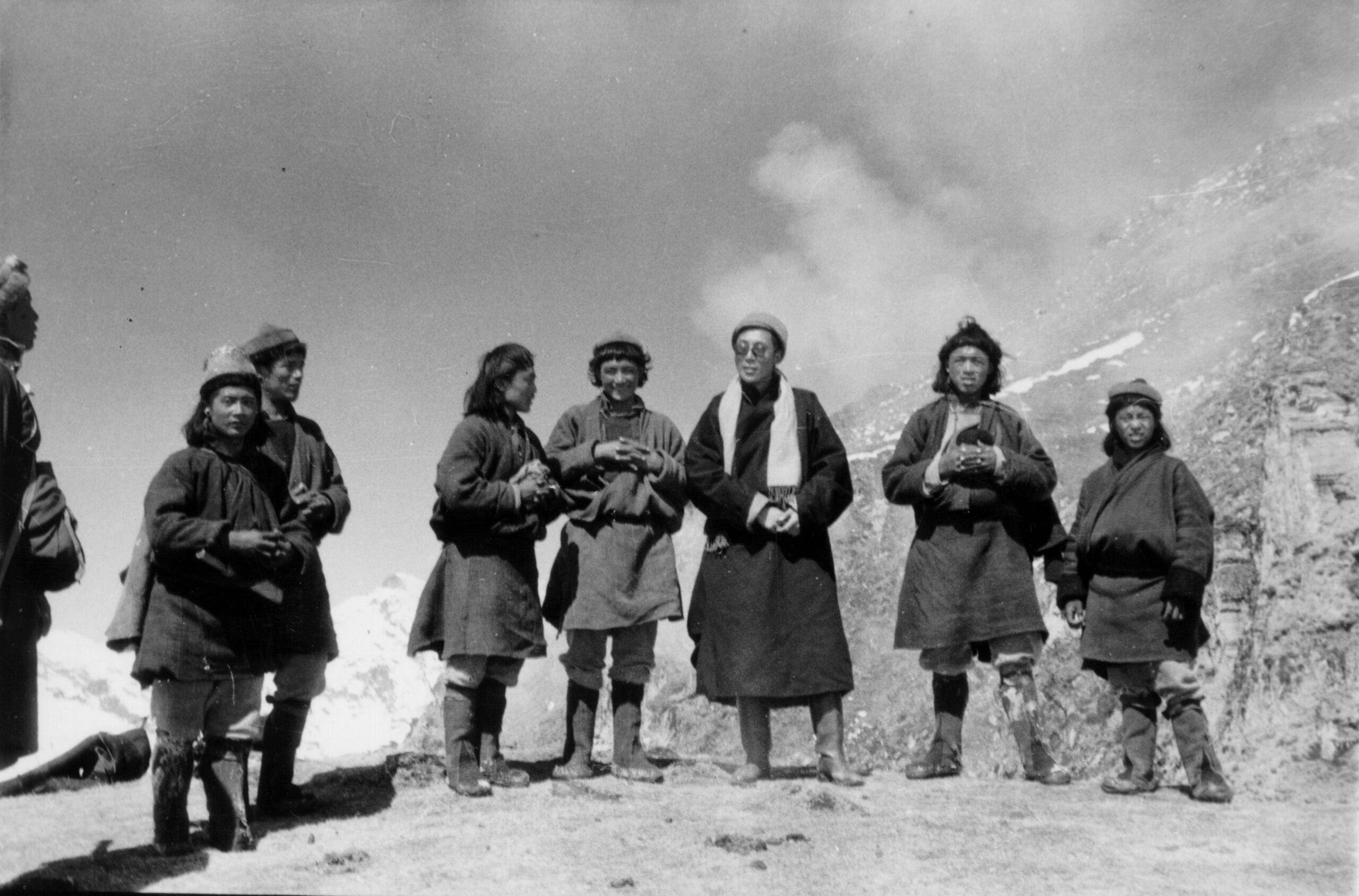
His Holiness the Dalai Lama and his retinue passing through Karpo Pass in Tibet on the 11th day of their two-week journey to India, March 28, 1959. Photo courtesy: The Tibet Museum
After crossing the treacherous terrains of the Himalayan Mountains for 14 days, His Holiness the Dalai Lama and his entourage safely entered India on March 31, 1959 via Chuthangmu, a border post manned by Assam Rifles. Photo courtesy: Claude Arpi
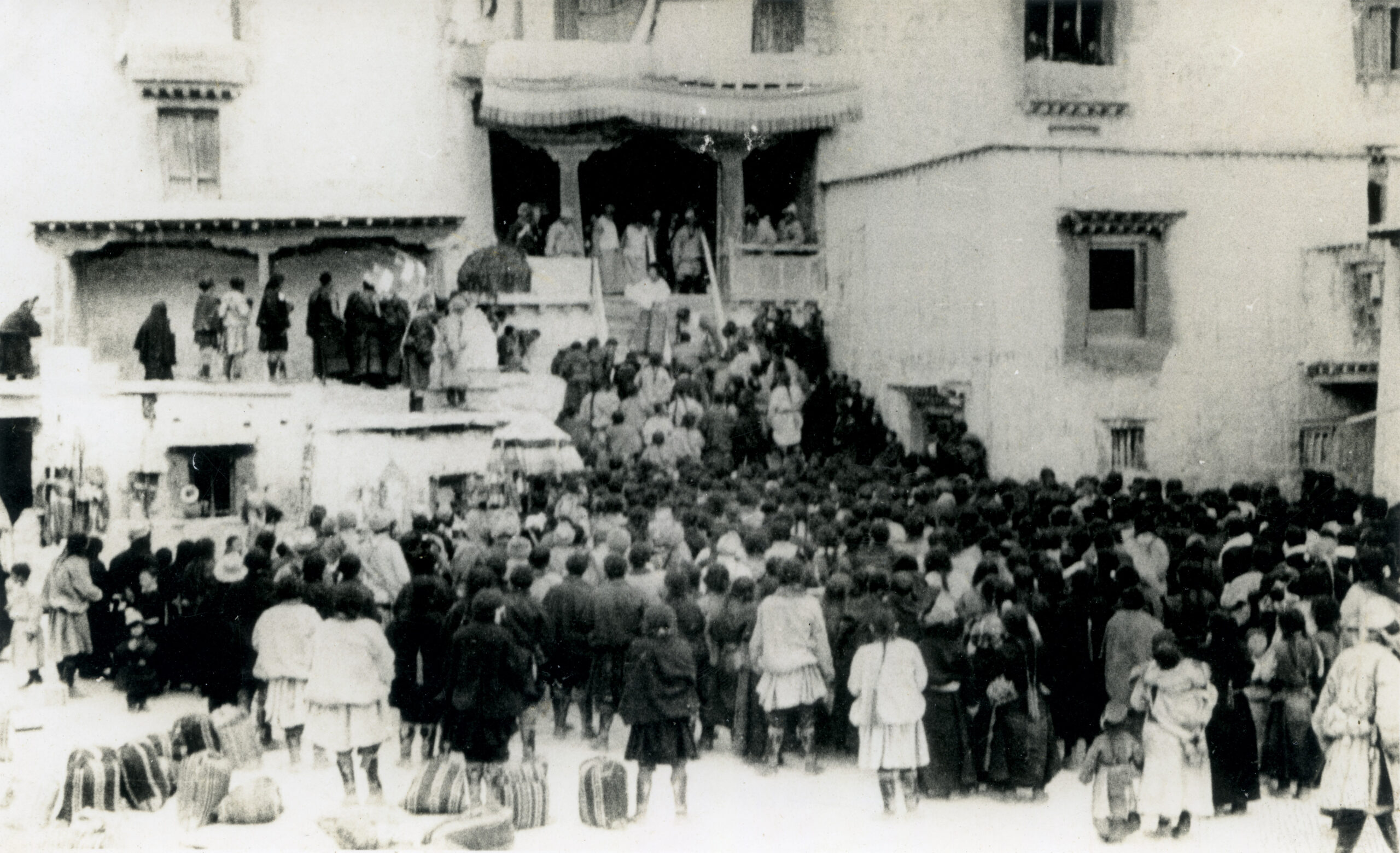
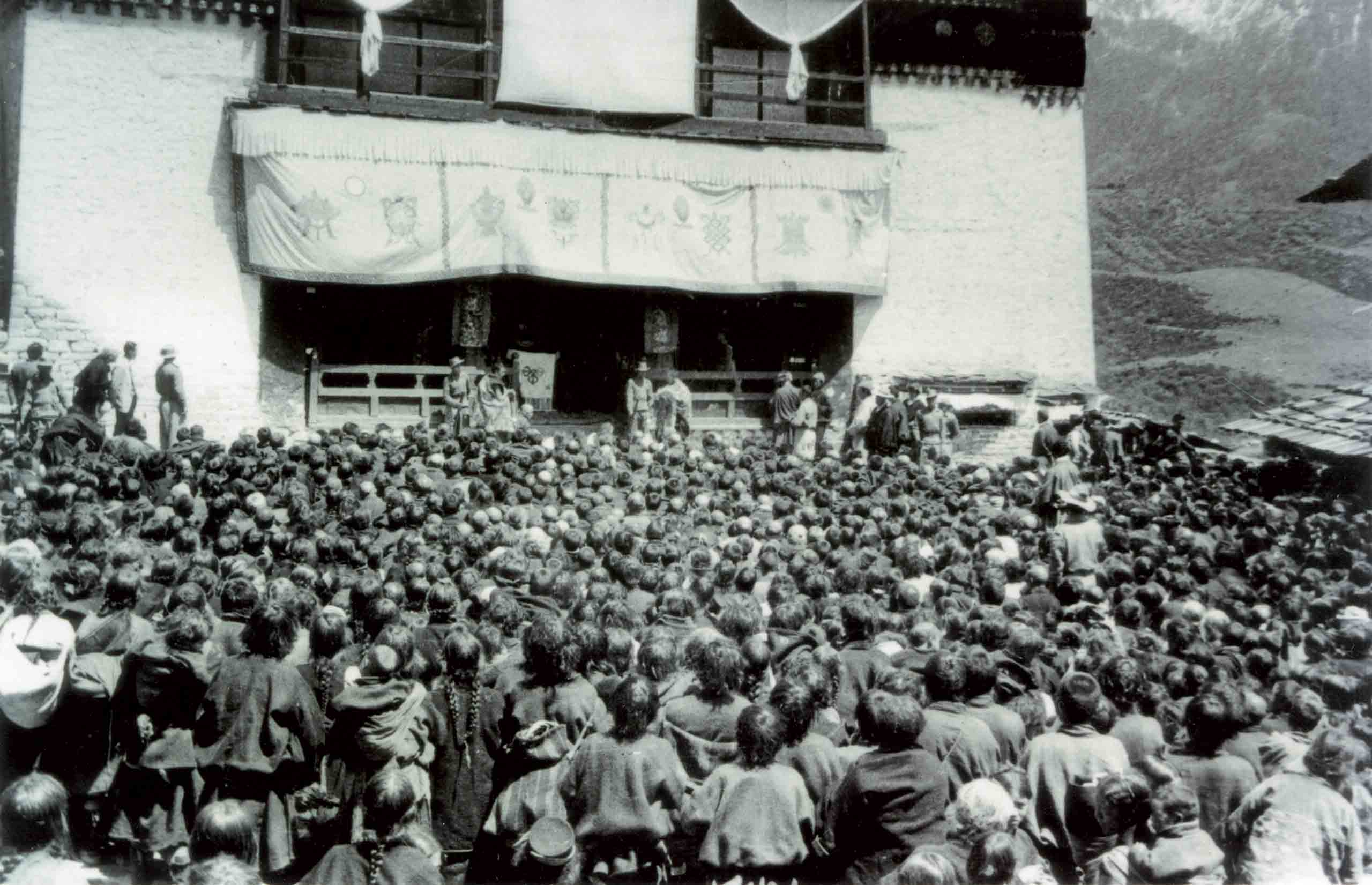
Hundreds of locals from Tawang and nearby places catch a glimpse of His Holiness the Dalai Lama at Tawang Monastery, April 5, 1959. Photo courtesy: Tibet Documentation
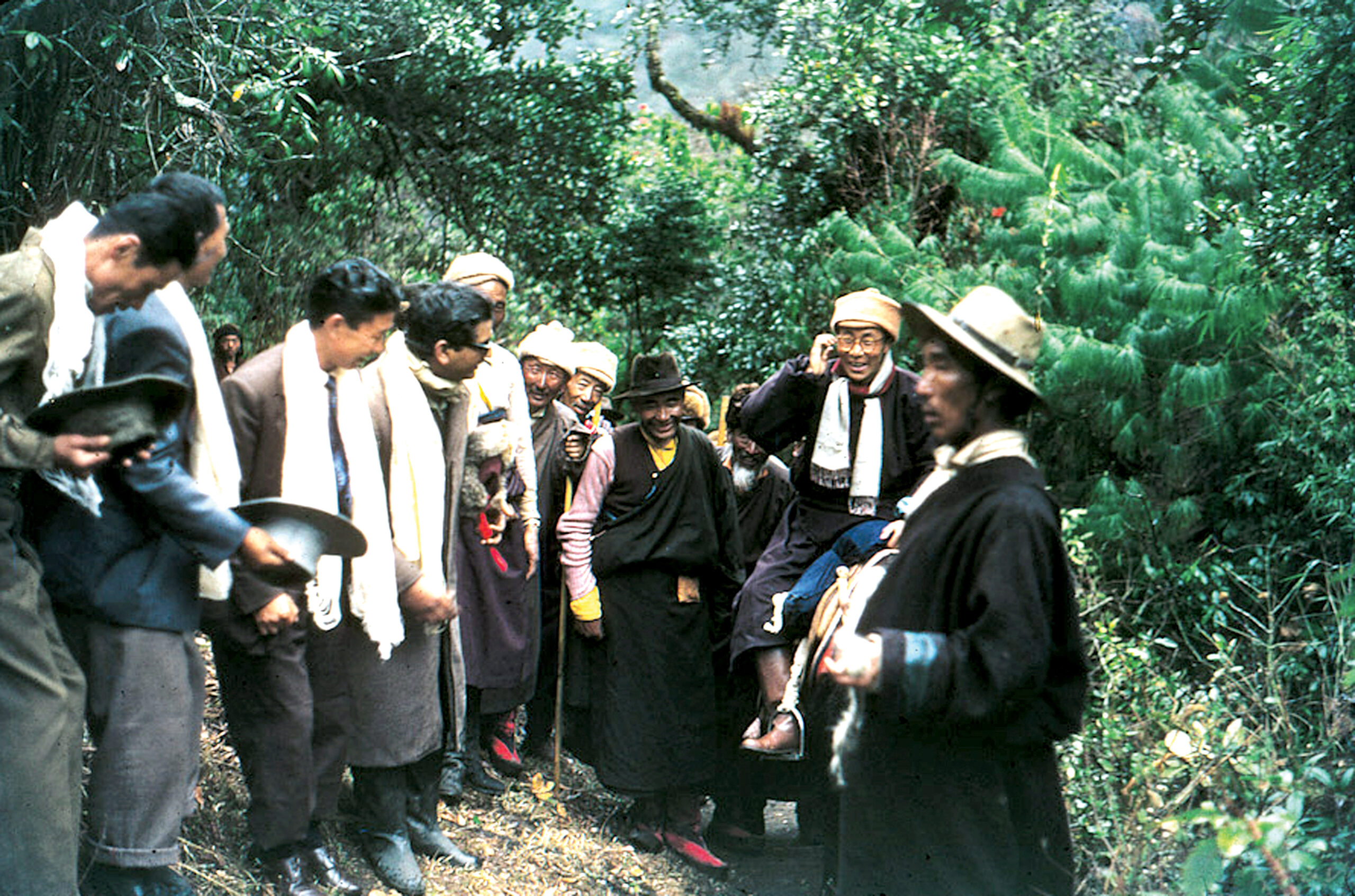
Throughout his journey from Chuthangmu to Tawang and Bomdila, His Holiness the Dalai Lama stopped to give blessings to local people. Here, the Dalai Lama is seen with a group of Monpas while on his way to Tawang from Lumla, April 1959. Photo courtesy: Library of Tibetan Works and Archives
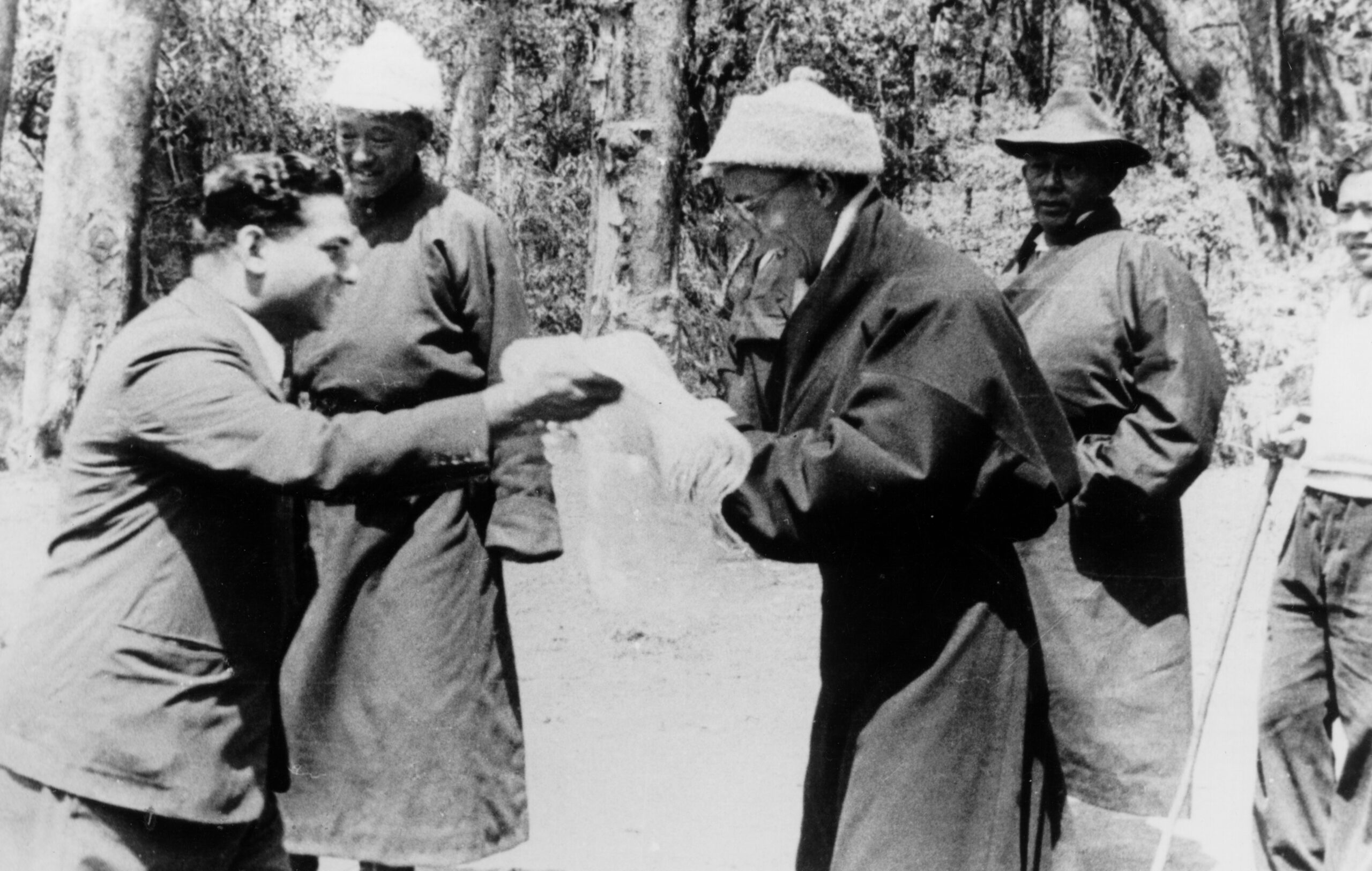
P. N. Menon, the special envoy sent by Indian Prime Minister Pandit Jawaharlal Nehru receive His Holiness the Dalai Lama at Bomdila on April 12, 1959. Photo courtesy: Library of Tibetan Works and Archives
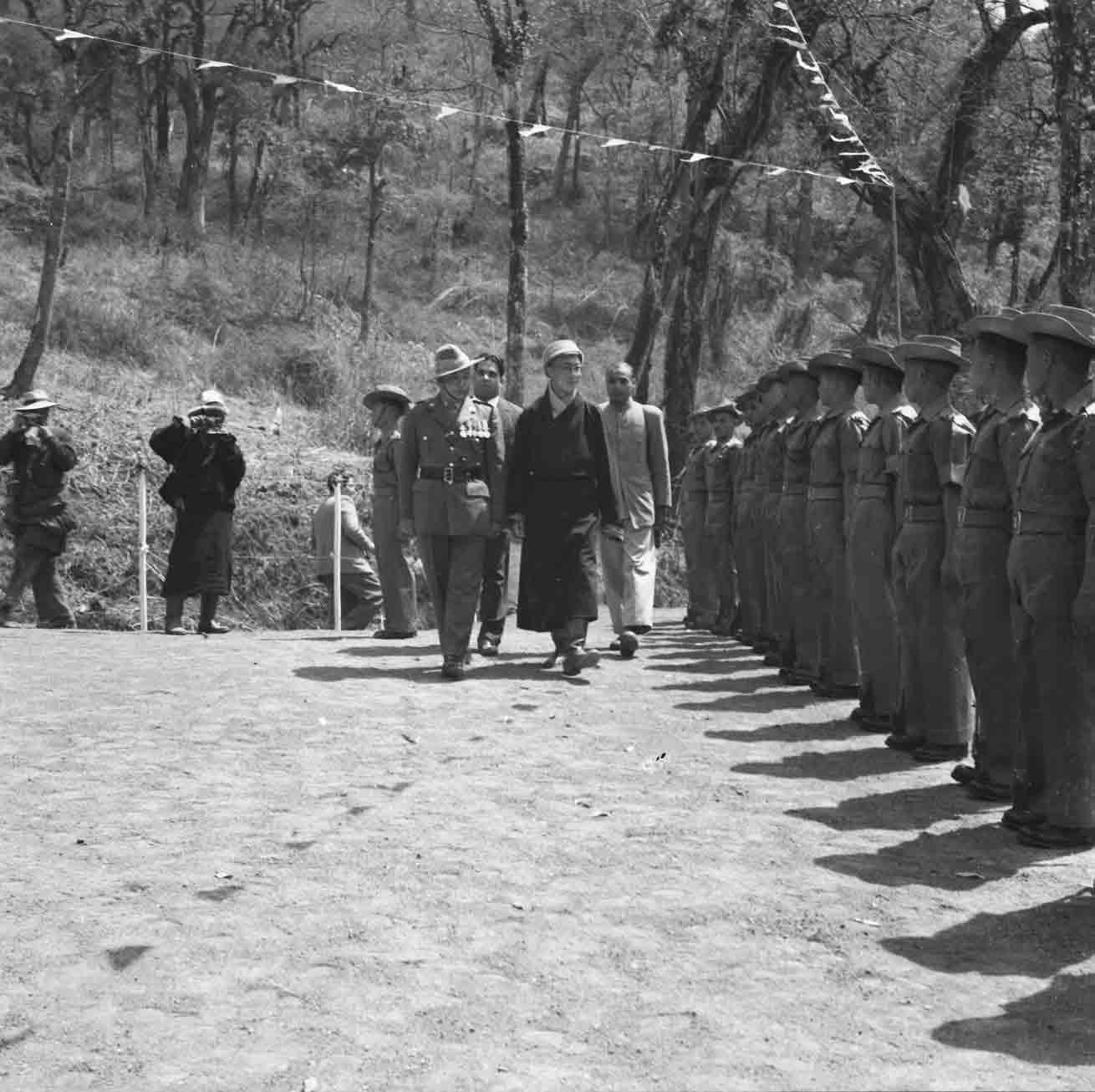
Assam Rifles, a paramilitary force under the Ministry of Home Affairs of India escort His Holiness the Dalai Lama from Chuthangmu to Bomdila. Here, the Dalai Lama walks past a guard of Honor by the Assam Rifles at the official reception, Bomdila, April 12, 1959. Photo courtesy: Library of Tibetan Works and Archives
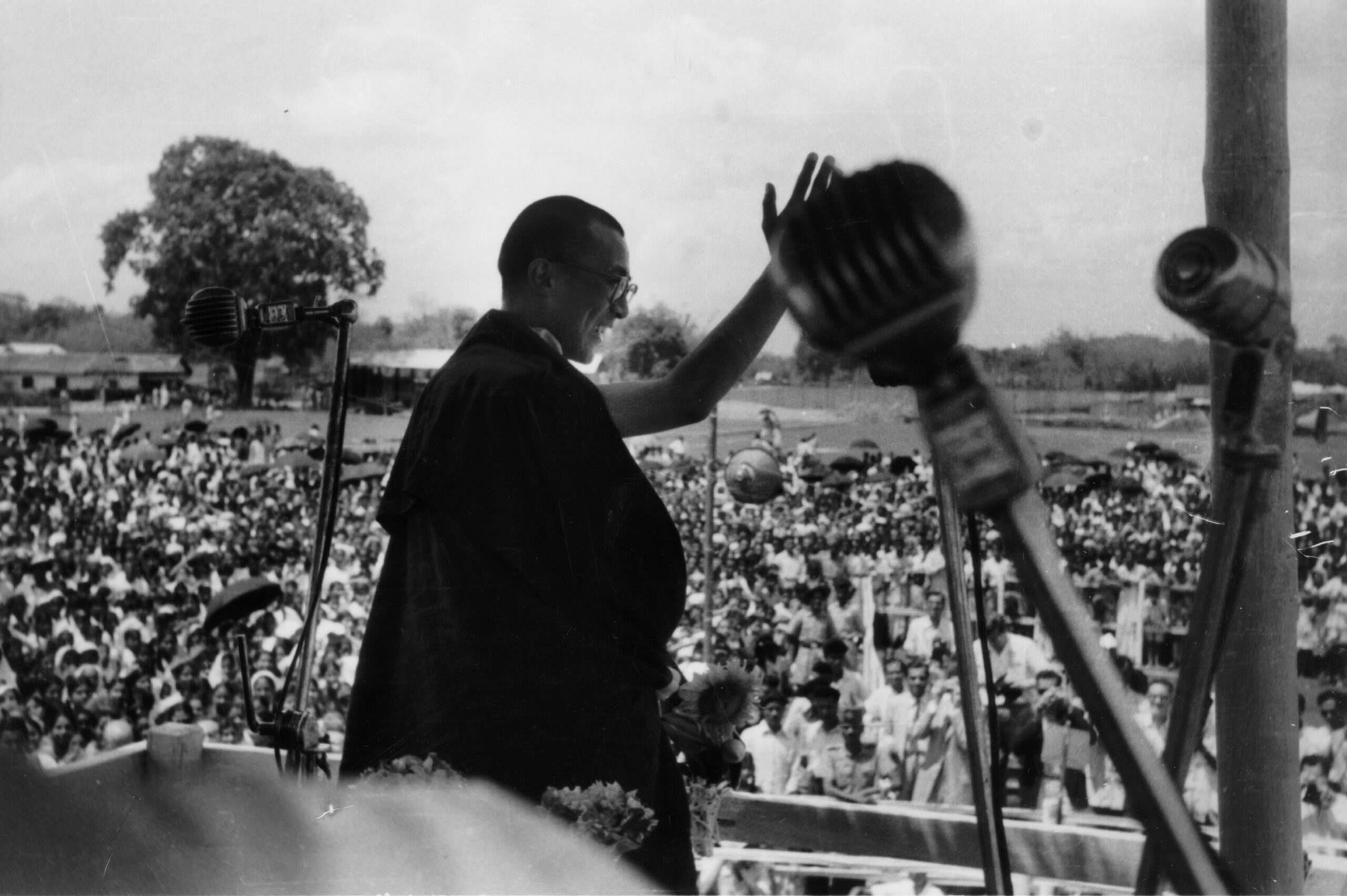
His Holiness the Dalai Lama addresses the Indian public for the first time after arriving in exile. Over 700 people were gathered at the College ground in Tezpur to listen to the Dalai Lama, April 18, 1959. Photo courtesy: Library of Tibetan Works and Archives
In the first official press conference convened on 18 April 1959 at Tezpur, Assam, Yuthok Jigme Dorjee (left) and Surkhang Lhawang Topgyal (right) read out the statement of His Holiness the Dalai Lama, which repudiated the 17-point agreement signed under duress on May 21, 1951.
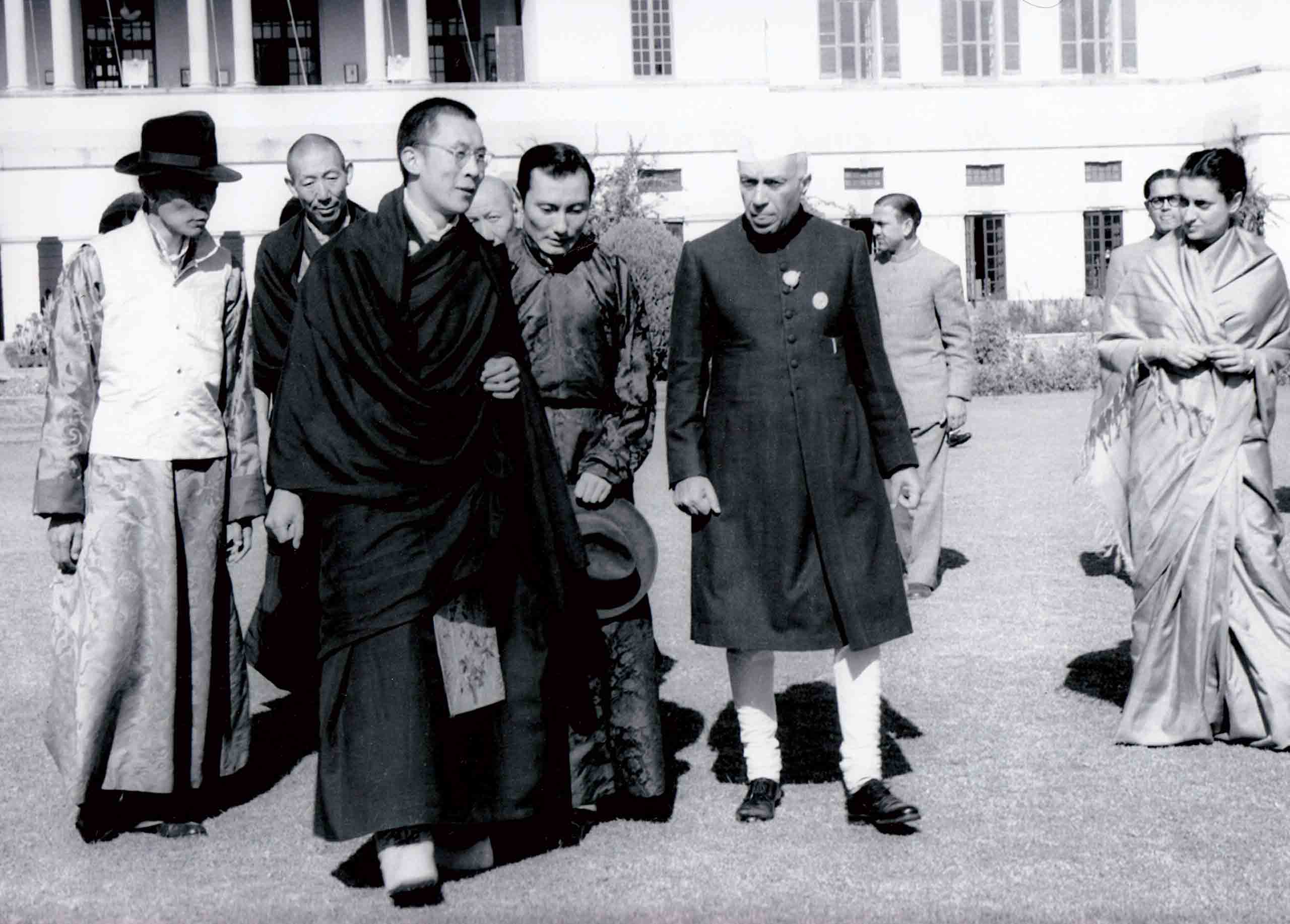
From Tezpur, His Holiness the Dalai Lama and his entourage travelled to Mussoorie, a hill station in Uttar Pradesh (now Uttarakhand) in April 1959. Here, His Holiness is seen in Birla House, Mussoorie along with Prime Minister Pandit Jawaharlal Nehru and Indira Gandhi, daughter of Nehru who later became the Prime Minister of India, April 1959. Photo courtesy: The Tibet Museum
Escape route of His Holiness the Dalai Lama as illustrated in his memoir, ‘My Land and My people.’