
Guru-Chela bond between India and the 14th Dalai Lama

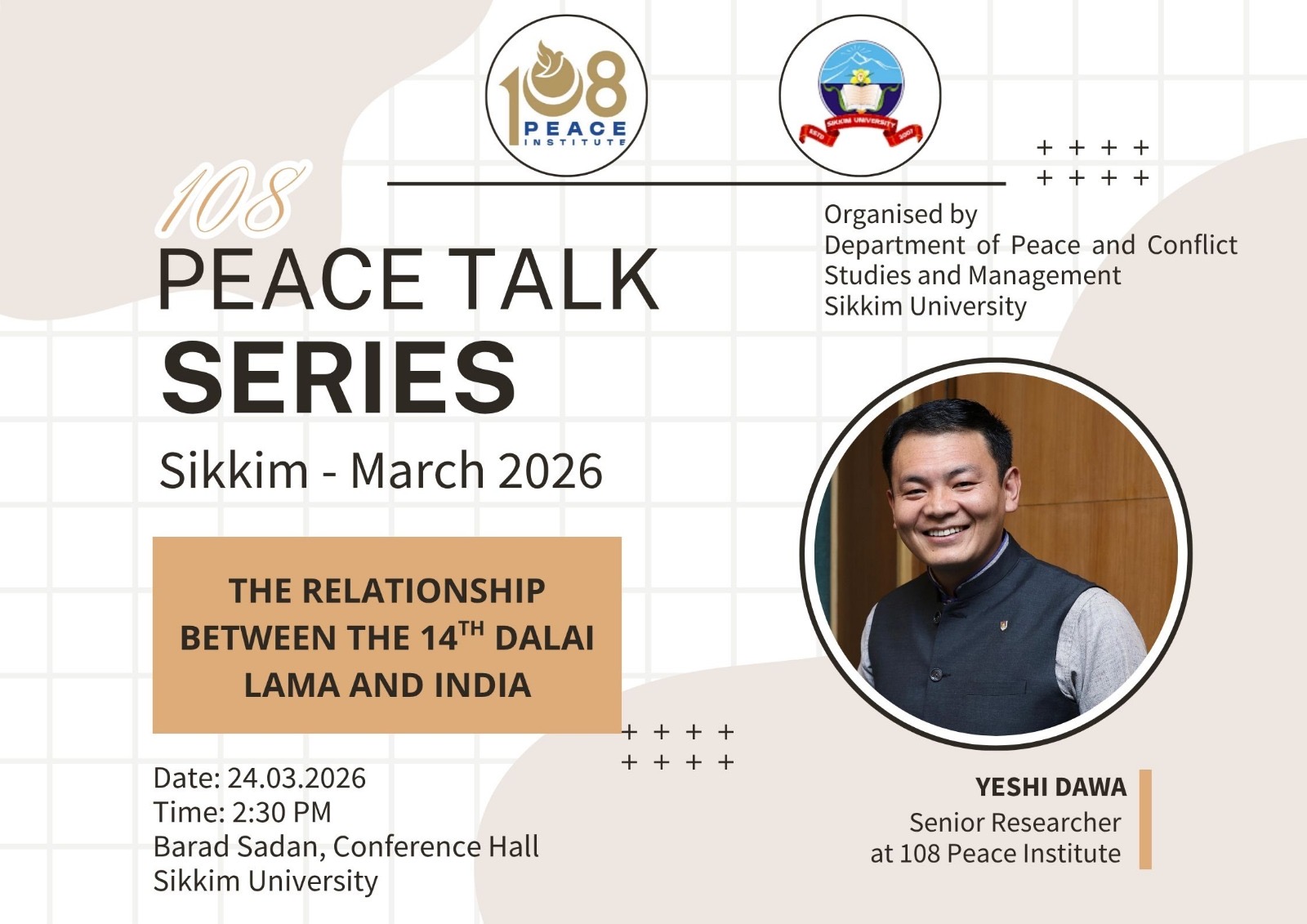
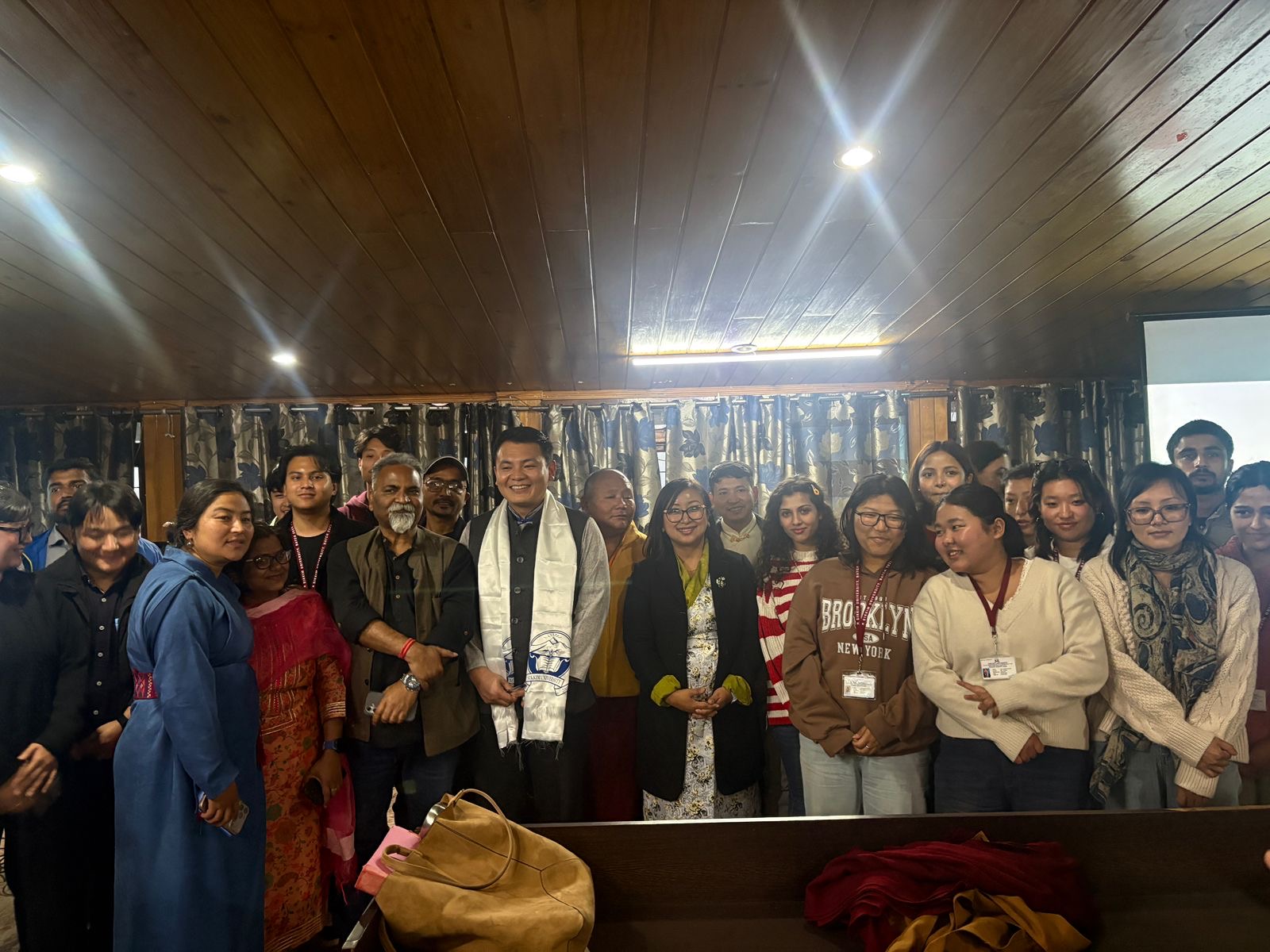
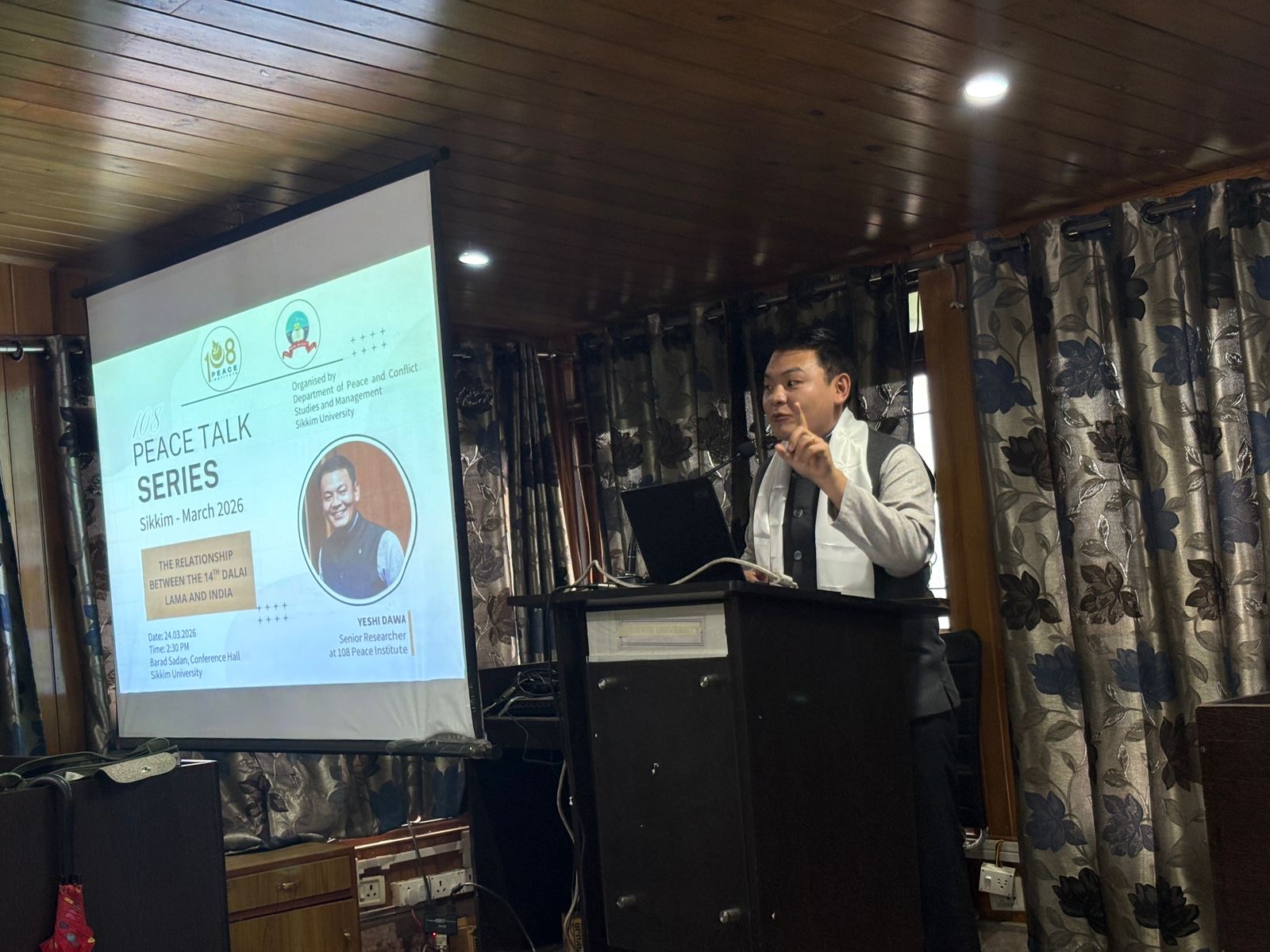
March 24, Gangtok: The 108 Peace Institute, in collaboration with the Department of History and the Peace & Conflict Studies Programme at Sikkim University, Gangtok, organised a talk on “The Relationship between the 14th Dalai Lama and India”, delivered by Mr. Yeshi Dawa, a senior researcher at the 108 Peace Institute. The talk was attended by more than 75 students and faculty members.

The opening remarks were delivered by the Dean, Dr. Nawal K. Paswan, who spoke about the special relationship between India and Tibet. He elaborated on the importance of Tibet to India and vice versa, and highlighted the role and relevance of the 14th Dalai Lama in today’s chaotic world. He also emphasized the similarities between Buddhism and Hinduism, thoughtfully setting the stage for Mr. Dawa’s address.

Mr. Dawa began by acknowledging the immense contribution of India and its people in sustaining the Tibetan cause. He noted that no other country has contributed as significantly to the Tibetan cause as India, and invited the participants to applaud themselves for this support.

He traced the historical relationship between Tibet and India back to the 7th century, when the 33rd King of Tibet sent disciples to India. Upon returning, one of them developed the Tibetan script based on the Gupta-Brahmi script. Since then, the relationship between India and Tibet has remained strong. Mr. Dawa also highlighted India’s role in providing refuge to the 14th Dalai Lama and the Tibetan people. From the outset, the Government of India treated the 14th Dalai Lama with great respect. For instance, the Crown Prince of Sikkim invited him to India to attend the 2,500th Buddha Jayanti celebrations. He also referred to the Dalai Lama’s arrival in India in 1959 and his escort by the Assam Rifles. Additionally, Mr. Dawa noted that the first international recognition awarded to the 14th Dalai Lama came from Banaras Hindu University in 1957.

Mr. Dawa further spoke about the contributions of the 14th Dalai Lama in promoting ancient Indian wisdom across the globe.

He then addressed the paradoxical claims of the Chinese Communist Party regarding the selection of the next Dalai Lama. Tracing its historical stance toward the 14th Dalai Lama and Tibetan Buddhism, he quoted Mao Zedong’s remark that “religion is a poison.” He also referred to the destruction of Tibetan monasteries and the tightening control over religious freedom in Tibet. In this context, Mr. Dawa questioned the legitimacy of the Chinese Communist Party in choosing the next Dalai Lama, asking why it appears more concerned with the 15th Dalai Lama than with the present one. His remarks highlighted what he described as the Party’s underlying intentions in the succession issue.

Mr. Dawa concluded by discussing the geopolitical ramifications should the Chinese Communist Party succeed in selecting the next Dalai Lama. He raised important questions: How might the institution of the Dalai Lama be used to influence Buddhist nations and regions in India? How would India approach the issue of the 14th Dalai Lama’s reincarnation?

The talk was followed by an interactive Q&A session, during which students asked questions related to the history of Tibet and the 14th Dalai Lama.

Mr. Dawa concluded by acknowledging the warm hospitality and the contributions of Dr. Nawal K. Paswan, Dr. Anira Phipon Lepcha, Dr. Sangmu Thendup, and Dr. Tsewang Dorji in making the event possible. As a token of gratitude, a copy of “Voice of the Voiceless” was presented to Dr. Nawal K. Paswan.
partnership requests

Career and internship

General Inquiries

Tsering Youdon

Program Manager

Tsering Youdon is the Program Manager at 108 Peace Institute. She has 6 years of experience as a project officer and program coordinator in the Central Tibetan Administration’s Nepal branch. Her expertise includes planning, designing, and monitoring projects and supporting the capacity building of local organizations and individuals. Tsering is an MBA graduate from Rochester Institute of Technology (RIT) in New York.

Tenzin Donzey

Program Manager

Tenzin Donzey is a Program Manager at the 108 Peace Institute. She has served in the Department of Information and International Relations (DIIR), Central Tibetan Administration (CTA) as a Project Officer and Tibet Support Groups’ Liaison Officer. Tenzin has extensive experience in planning, designing, and managing programs. She is a recipient of the Tibetan Scholarship Program under which she obtained an MBA from Rochester Institute of Technology (RIT), New York.

Dr Lobsang Sangay

Founder and President

Lobsang Sangay is a Senior Visiting Fellow at East Asian Legal Studies Program, Harvard Law School. He was a democratically elected Sikyong (President) of the Central Tibetan Administration and served two terms (2011-21). Lobsang completed his BA and LLB from Delhi University. He did his LLM ’95 and SJD ‘04 from Harvard Law School and received the Yong K. Kim’ 95 Memorial Prize for excellence in dissertation and contributions to the understanding of East Asia at the Harvard Law School. While at Harvard, akin to track III, he organized seven rounds of meetings/conferences between Tibetan, Western, and Chinese scholars, most notably, the first-ever meeting between HH the Dalai Lama and Chinese scholars and students.

སྤྱིར་བཏང་གི་འདྲི་རྩད།

ལས་ཀ་དང་ཉམས་གསོག

མཉམ་ལས་ཀྱི་རེ་འདུན།

Lobsang Dakpa

Operations Director

Lobsang Dakpa currently serves as the Operations Director of the 108 Peace Institute. He was a democratically elected Member of the Tibetan Parliament-in-Exile from 2016 to 2021. Lobsang holds a BA and LLB, having studied at the National Law School of India University in Bengaluru and JSS Law College in Mysuru. He also earned his LLM from Christ University, Bengaluru. From 2015 to 2016, he worked as a senior Chinese-language reporter for Voice of Tibet. He is a founding member of the Tibetan Legal Association (TLA), where he served as General Secretary from 2013 to 2016 and was later elected as President, serving from 2016 to 2022. Throughout his career, Lobsang has provided legal awareness and education to thousands of Tibetans and non-Tibetans across settlements, monasteries, and schools. He has also offered free legal assistance to many individuals in need. During his term in Parliament, he was invited to participate in numerous national and international conferences, representing the Tibetan community and advocating for justice and human rights.

洛桑扎巴

运营总管

洛桑扎巴目前担任108和平研究院的运营总监。他曾于2016年至2021年间,作为民选代表在西藏人民议会任职。 洛桑拥有文学学士(BA)和法学学士(LLB)学位,曾就读于印度班加罗尔国家法学院(National Law School of India University)和迈索尔JSS法学院(JSS Law College)。他还在班加罗尔基督大学(Christ University)获得了法学硕士(LLM)学位。 2015年至2016年期间,他曾担任“西藏之声”电台的资深中文记者。他是西藏法律协会(Tibetan Legal Association, TLA)的创始成员之一,并于2013年至2016年担任该协会的秘书长,随后于2016年至2022年担任会长。 在其职业生涯中,洛桑致力于为西藏定居点、寺院和学校的成千上万名藏人及非藏人提供法律知识普及和教育。他还为许多有需要的人士免费提供法律援助。 在其议员任期内,他受邀参加了众多国内外会议,代表藏人社区发声,积极倡导正义与人权。

བློ་བཟང་གྲགས་པ།

ལག་བསྟར་སྤྱི་ཁྱབ་འགན་འཛིན།

བློ་བཟང་གྲགས་པ་ནི་༡༠༨ཞི་བདེ་ལྟེ་གནས་ཀྱི་ལག་བསྟར་འགན་འཛིན་ཡིན།ཕྱི་ལོ་༢༠༡༦ནས་༢༠༢༡དབར་ཁོང་གིས་བོད་མི་མང་སྤྱི་འཐུས་ཀྱི་ཕྱག་ལས་གནང་།ཁྲིམས་ལུགས་མཐོ་སློབ་ National Law school of India University, Bangalore དང་Mysore JSS Law School བརྒྱུདཁོང་ཉིད་་ཁྲིམས་ལུགས་རབ་འབྱམས་པ་ (LL.B) སློབ་མཐར་སོན། ཕྱི་ལོ་ ༢༠༡༤ ལོར་རྒྱ་གར་ཁྲིམས་ལུགས་མཐོ་སློབ་Christ Law School, Bangalore ནས་ཁྲིམས་ལུགས་གཙུག་ལག་རབ་འབྱམས་པ (LL.M) མཐར་ཕྱིན་པ་གནང་པ་མ་ཟད།ཁོང་ནི་བོད་མིའི་ཁྲིམས་ལུགས་རིག་པ་བའི་ཚོགས་པ་གསར་འཛུགས་གནང་མཁན་ཁོངས་ཀྱི་མི་སྣ་ཞིག་ཡིན་པ་དང་།ཕྱི་ལོ་༢༠༡༣ནས་༢༠༡༦བར་ཚོགས་པ་དེའི་སྤྱི་ཁྱབ་དྲུང་ཆེའི་ཕྱག་ལས་གནང་པ་དང་།ཕྱི་ལོ་༢༠༡༥ནས་༢༠༡༦དབར་ལོ་གཅིག་རིང་ནོར་ཝེ་བོད་ཀྱི་རླུང་འཕྲིན་ཁང་གི་རྒྱ་སྐད་གསར་འགོད་པ་རྒན་པའི་ཕྱག་ལས་གནང་ཡོད།ཕྱི་ལོ་༢༠༡༦ནས་༢༠༢༢དབར་བོད་མིའི་ཁྲིམས་ལུགས་རིག་པ་བའི་ཚོགས་པའི་ཚོགས་གཙོའི་ཕྱག་ལས་གནང་པ་རེད།དུས་ཡུན་དེ་དག་གི་རིང་།ཁོང་གིས་བཙན་བྱོལ་བོད་མིའི་དགོན་སྡེ་ཁག་དང་སློབ་གྲྭ་ཁག།གཞིས་ཆགས་ཁག་ཏུ་བསྐྱོད་ནས་བོད་མི་ཁྲི་སྟོང་མང་པོ་ལ་ཁྲིམས་ལུགས་ཀྱི་གོ་རྟོགས་སྤེལ་པ་མ་ཚད།ཁྲིམས་དོན་གྱི་དཀའ་ངལ་འཕྲད་པའི་བོད་མི་རྒྱ་ཕྲག་མང་པོ་ལ་ཕྱག་རོགས་གནང་ཡོད།ཁོང་གིས་བོད་མི་མང་སྤྱི་འཐུས་ཀྱི་ཕྱག་ལས་གནང་ཡུན་རིང་།རྒྱལ་ནང་དང་རྒྱལ་སྤྱིའི་ཚོགས་སྡེ་འདྲ་མིན་ཀྱིས་གདན་ཞུས་གནང་ཏེ་བརྗོད་གཞི་འདྲ་མིན་ཐོག་ཚོགས་འདུ་ཆེ་ཆུང་མང་པོ་ལ་ཆ་ཤས་གནང་ཡོད་པ་རེད།