The Thirteenth Dalai Lama was a farsighted leader who sought to modernize Tibet while safeguarding its cultural and spiritual heritage. Despite resistance from conservative factions within the traditional hierarchy, his reforms laid the foundation for a more self-reliant and forward-looking nation. Key initiatives included:
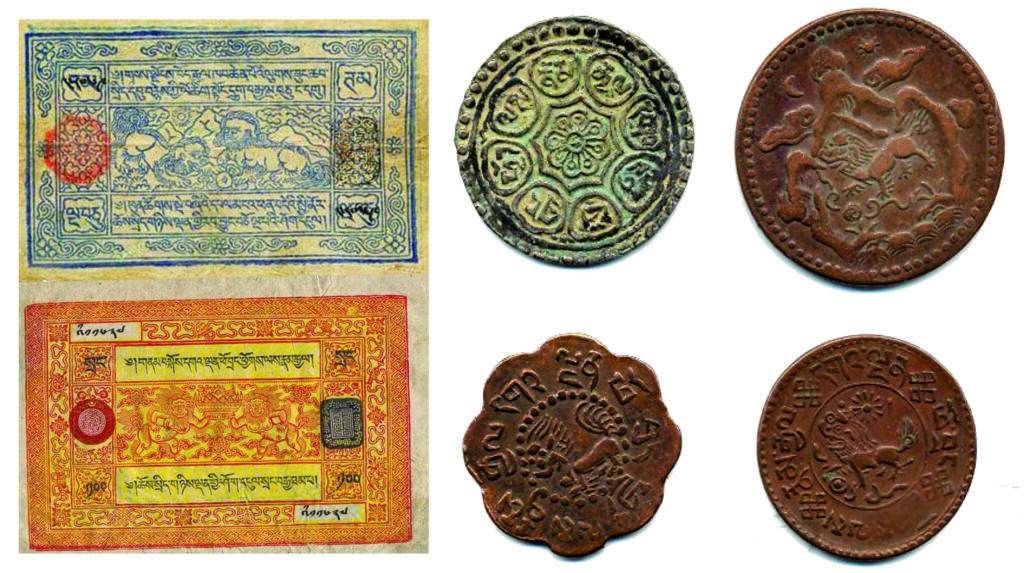
• Launched paper currency and coinage to establish a national economy; two Tibetan students were sent to Calcutta to study currency printing.
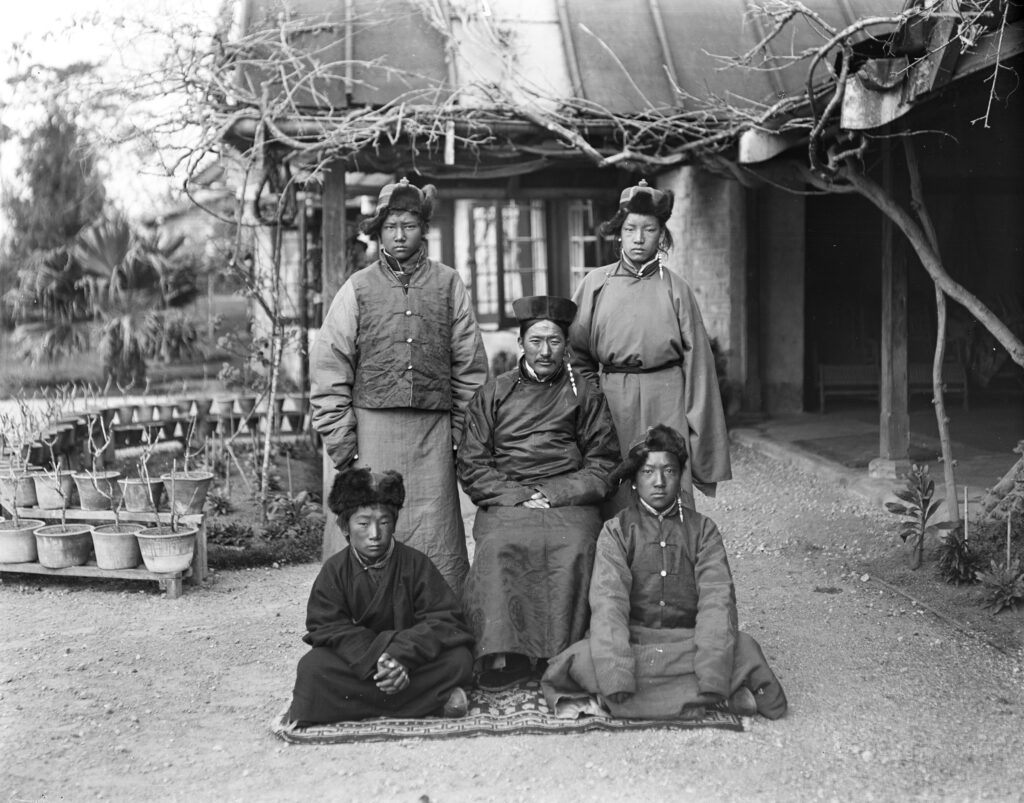
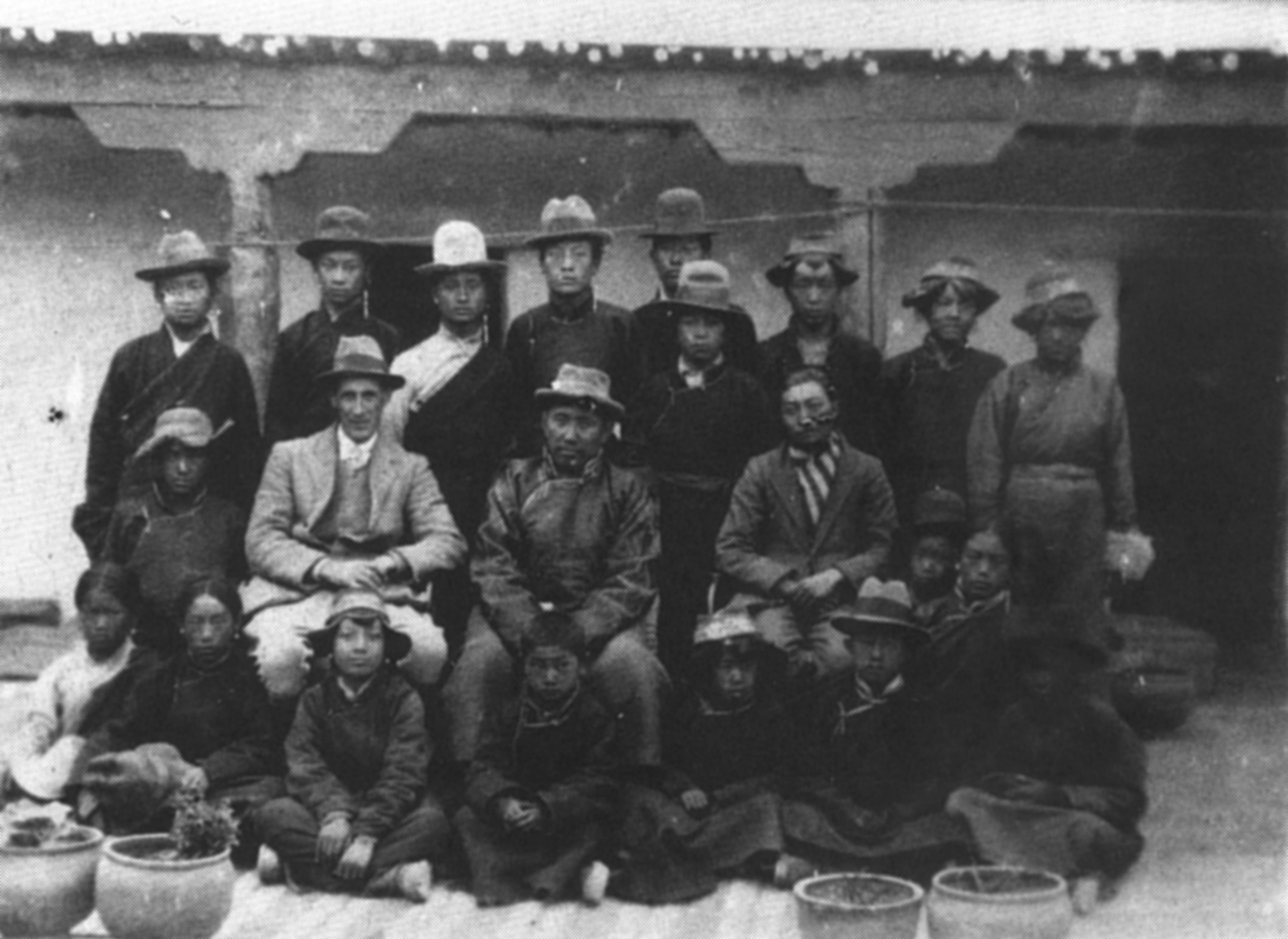
• In 1913, four Tibetan students were sent to study in Britain at Rugby School—Kyibuk Wangdhu Norbu (telegraphy), Mondong Khenrab Kunsang (mining), Gokar Sonam Gyatso (military training), and Rikhang Rigsen Dorje (electrical engineering).
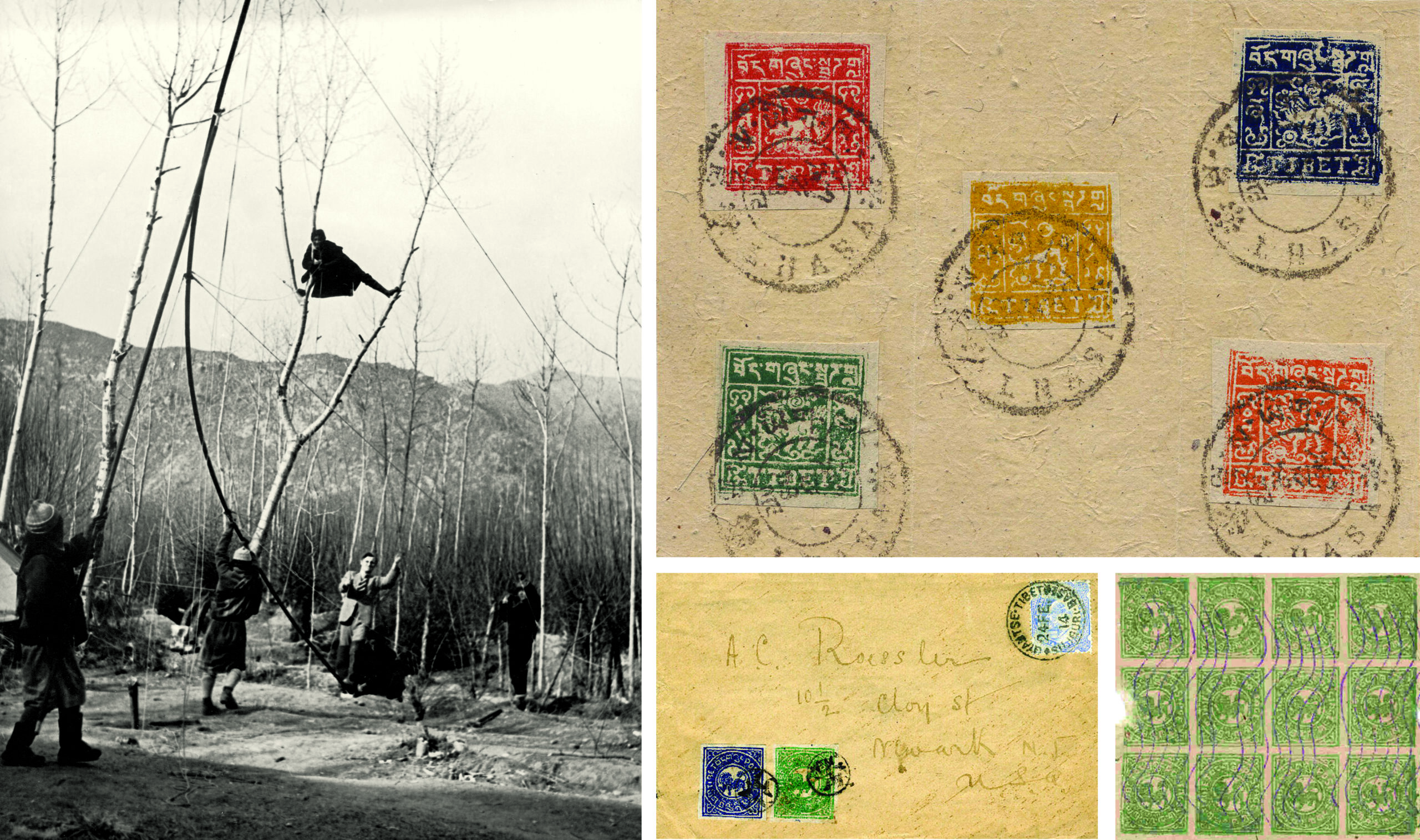
• Introduced Tibet’s first postal and telegraph systems in 1913.
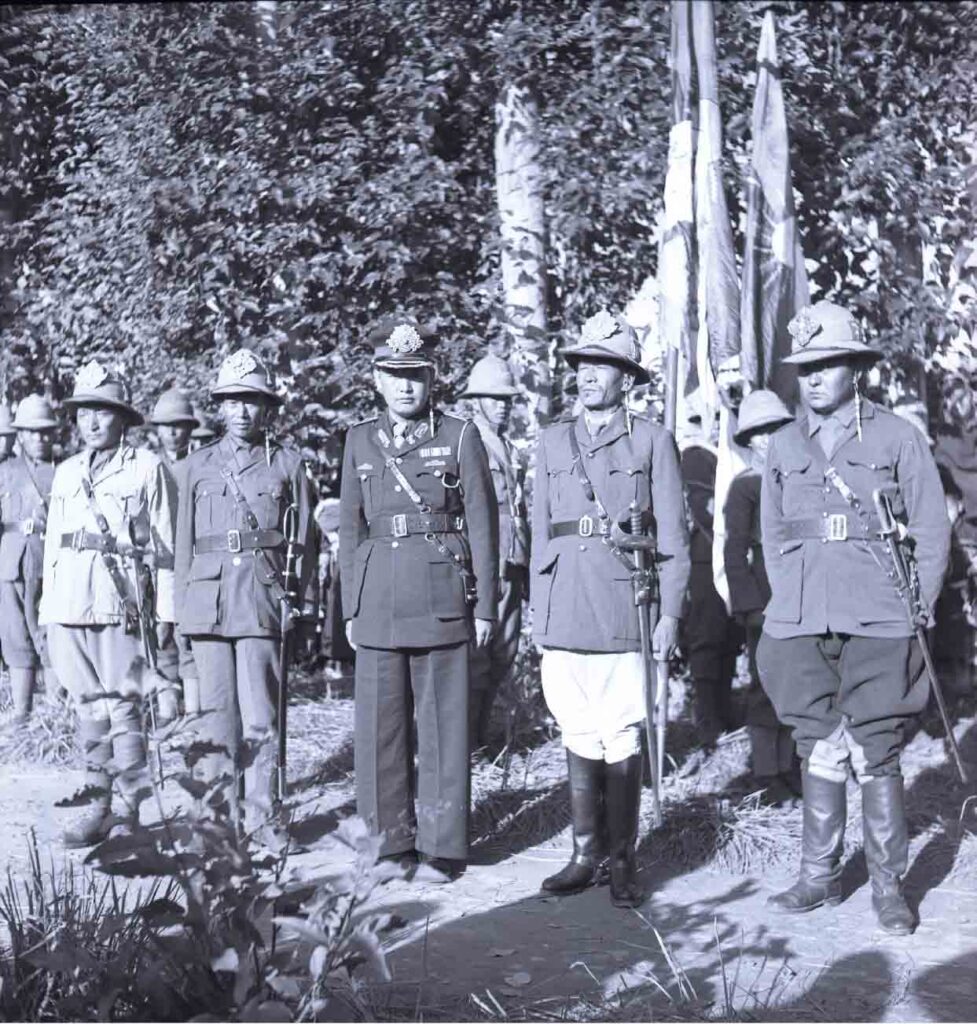
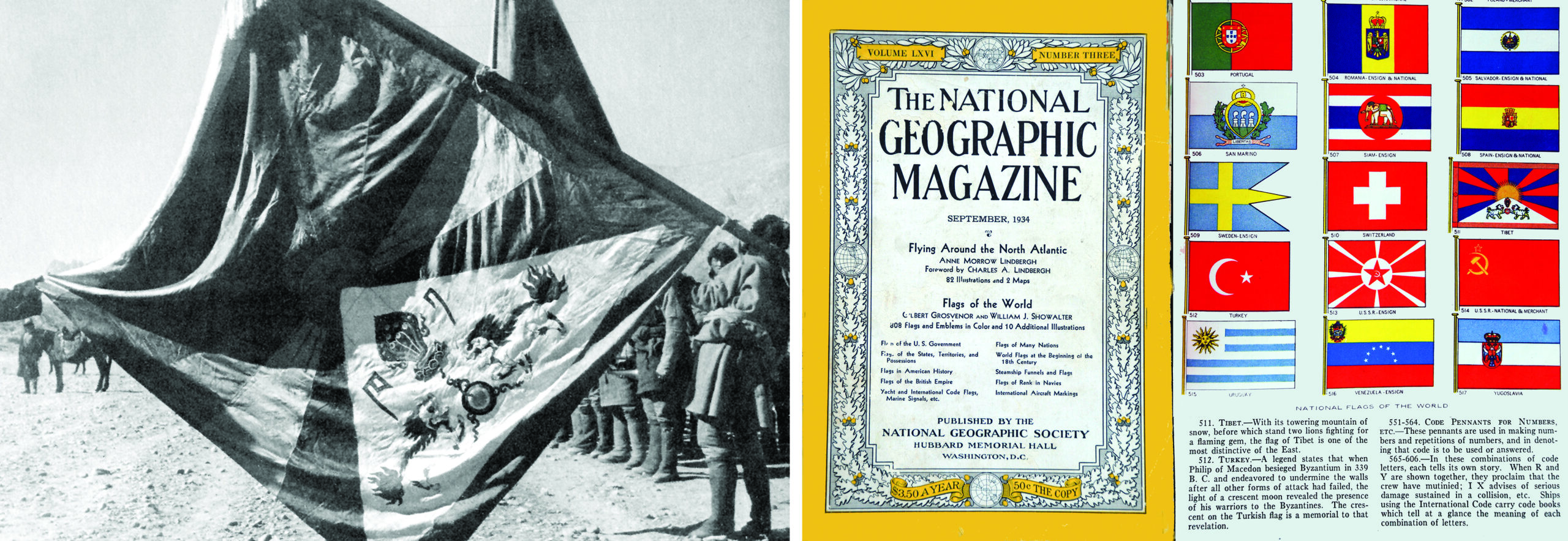
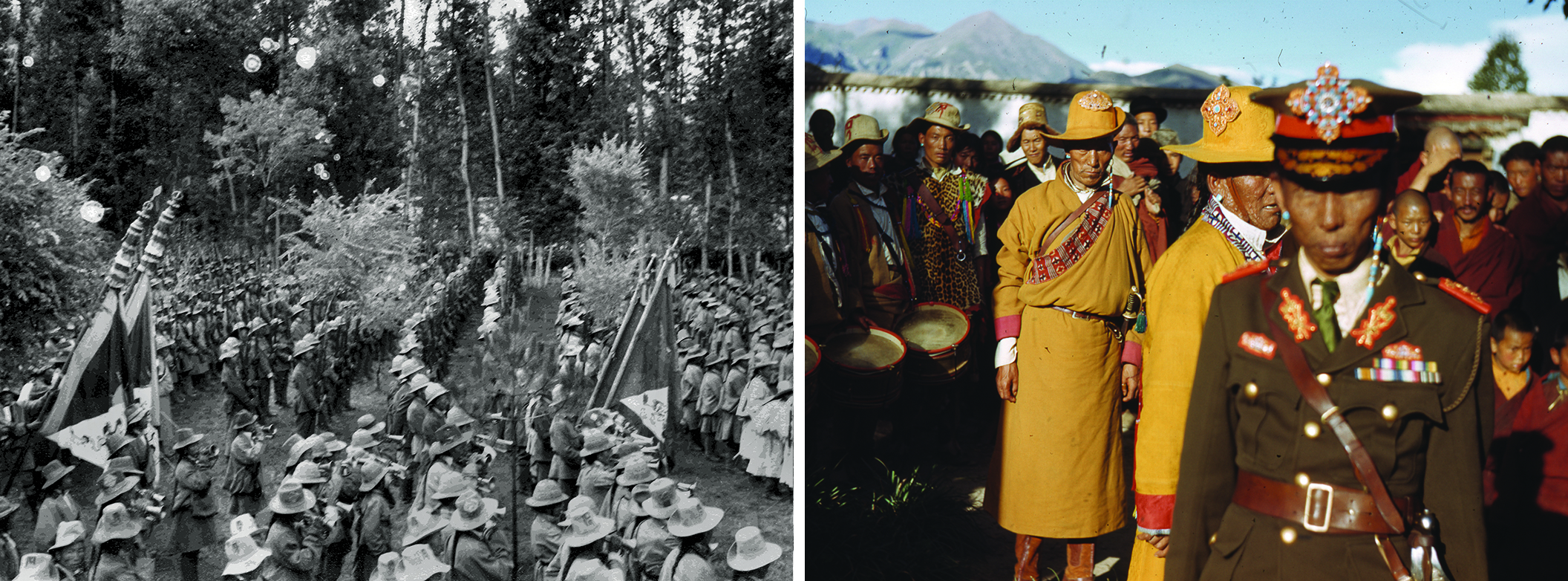
• Designed the new National Flag of Tibet and Reorganized the Tibetan army along British lines, with special training programs initiated in 1914.
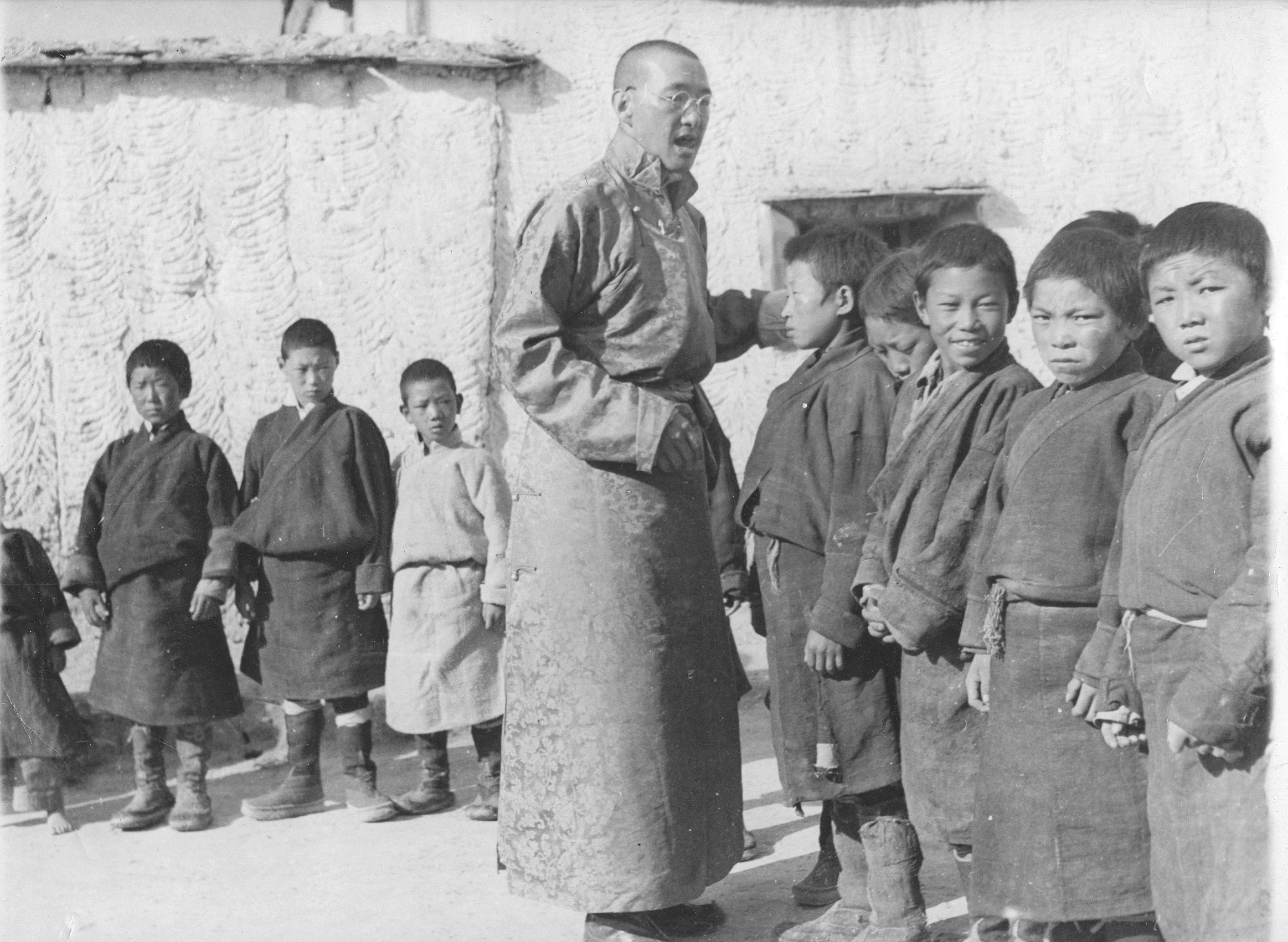
• Mandated the establishment of primary schools across all districts of Tibet to provide basic education.
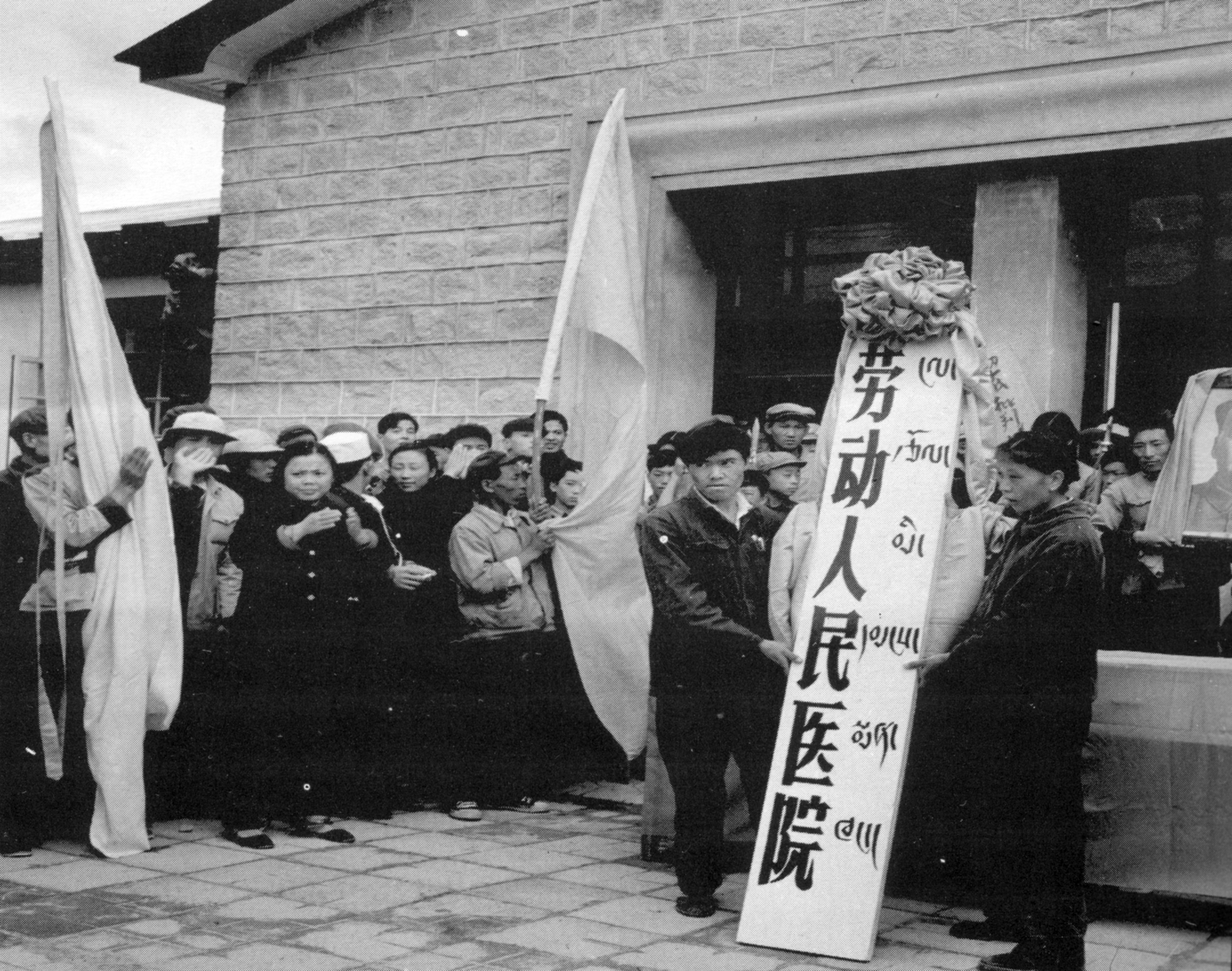
• Founded the Central Medical College (Men-Tsee-Khang) in Lhasa in 1916.
• Opened Tibet’s first English-language school in Gyantse and established Lhasa’s first Police Headquarters to maintain civic order, both in 1923.
• Oversaw the construction of the Drapchi Hydroelectric Power Station in 1924, one of Tibet’s earliest modern energy projects.
• Abolished capital punishment and corporal mutilation, except in cases involving treason against the state.
These pioneering efforts reflect the Dalai Lama’s commitment to ensuring Tibet’s stability, progress, and independence in a rapidly changing world.