
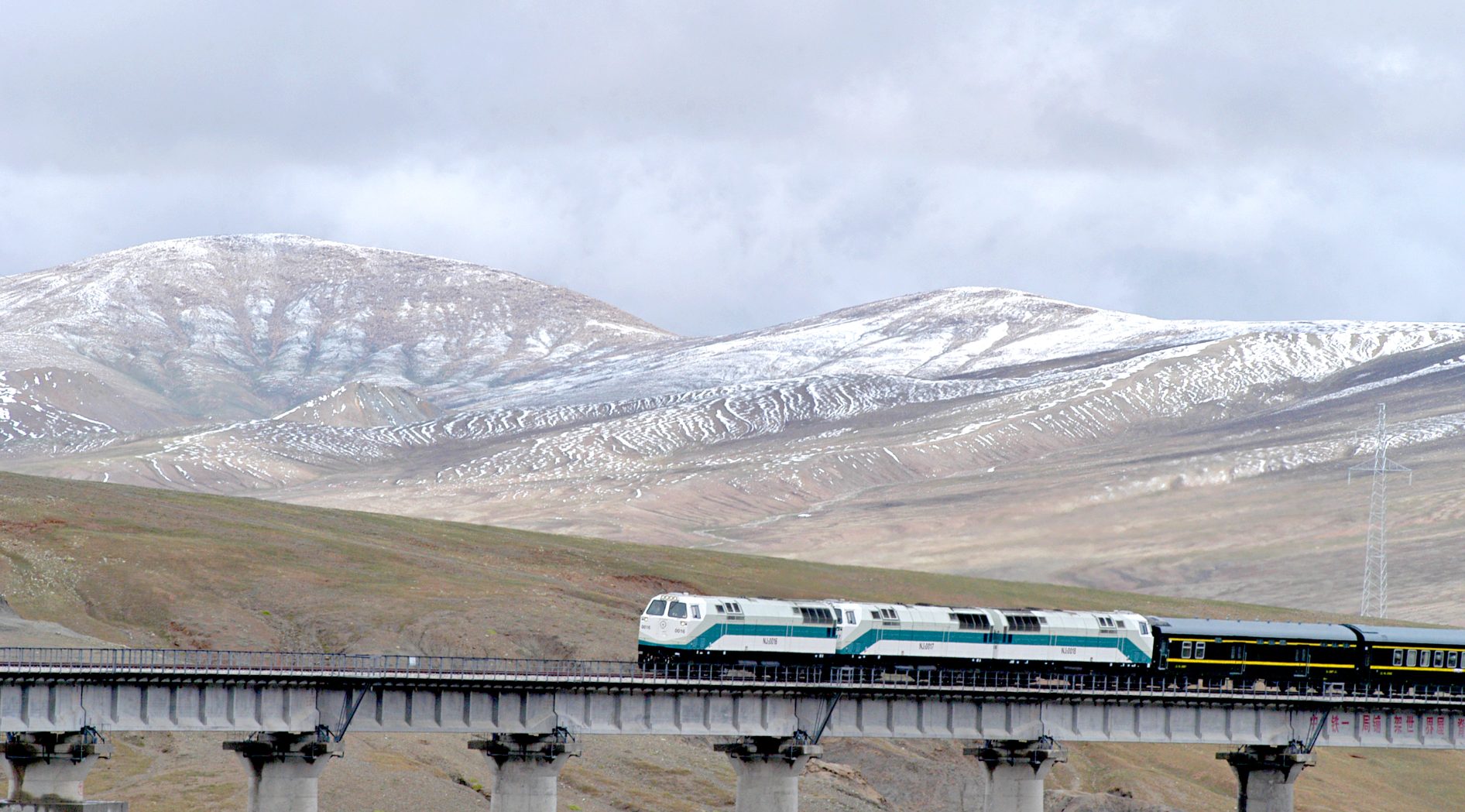
On January 11, China announced an 80 billion yuan ($11.2 billion) investment to boost key infrastructure such as airports, railways, and highways in Tibet Autonomous Region (TAR) by the year 2035. This was disclosed through a government work report released after the second meeting of the 12th People’s Congress of the Autonomous Region.
Besides China’s expansionist policies, the massive infrastructure buildup in TAR is being driven by both external and internal threats, as Tibetans continue to resist Chinese domination. These massive strategic investments not only substantiate India’s growing concerns but also vindicate claims from the Tibetan diaspora that infrastructure developments in Tibet are a major instrument of repression, primarily serving Beijing’s strategic and expansionist designs.
Strategically, this major announcement fits within the broader objective of Beijing’s aim to establish a highly effective and expansive three-dimensional transportation network in TAR, connecting it with other regions in China and also with countries in South Asia, while solidifying the Chinese PLA’s ground, logistic, and air infrastructure by 2035.
By Tenzin Younten, Senior Researcher of 108 Peace Institute — Originally published in The Diplomat, January 19, 2024: Article Link