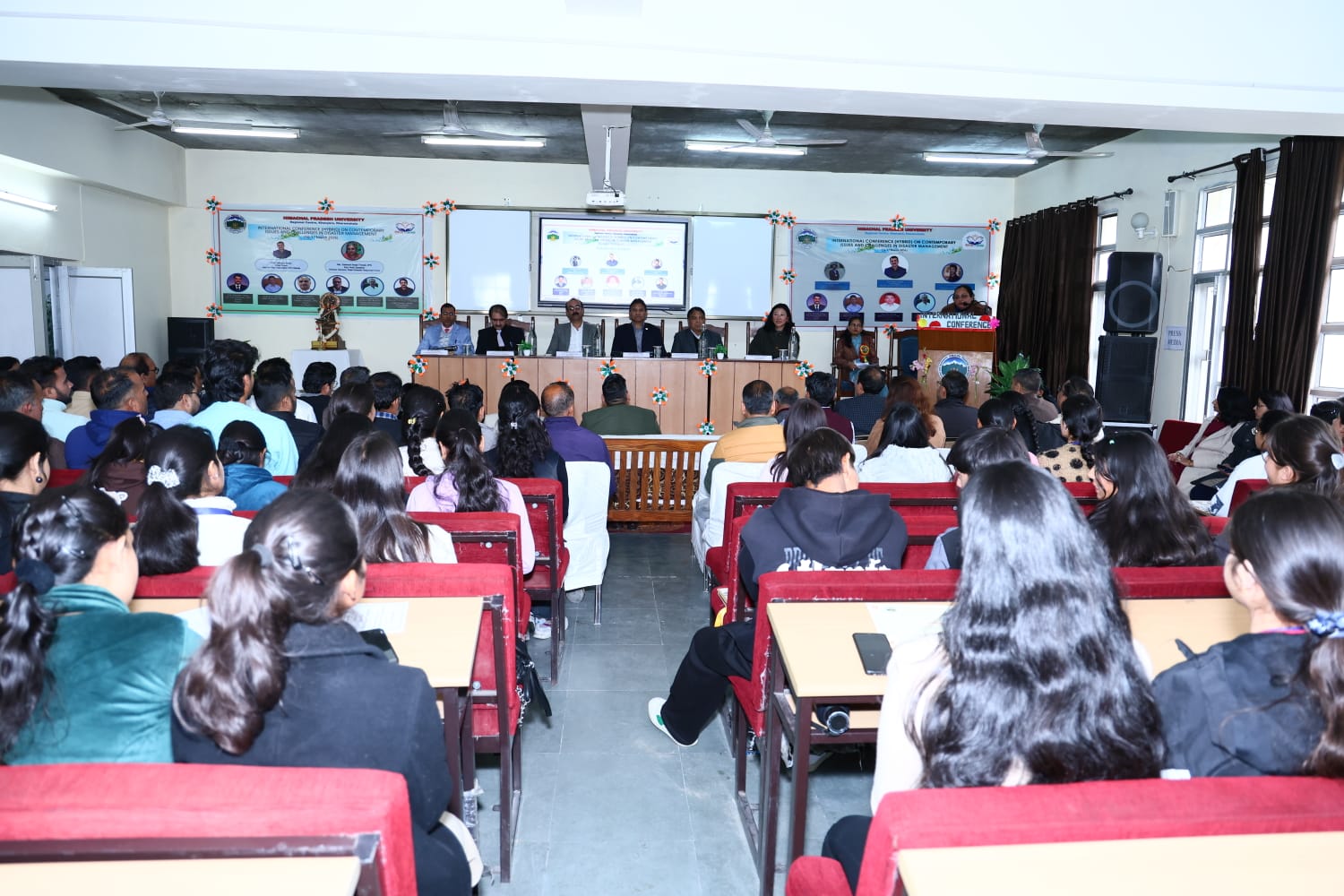
17th March 2026: The 108 Peace Institute participated as Guest of Honor at the International Conference on “Contemporary Issues and Challenges in Disaster Risk Management,” organized by Himachal Pradesh University Regional Centre, Dharamshala, in collaboration with the Himalayan Centre for Disaster Risk Reduction and Resilience (HIM-DR), HPU Shimla.
Bringing together scholars, researchers, and experts across disciplines, the conference addressed one of the defining challenges of our time, the escalating climate crisis.
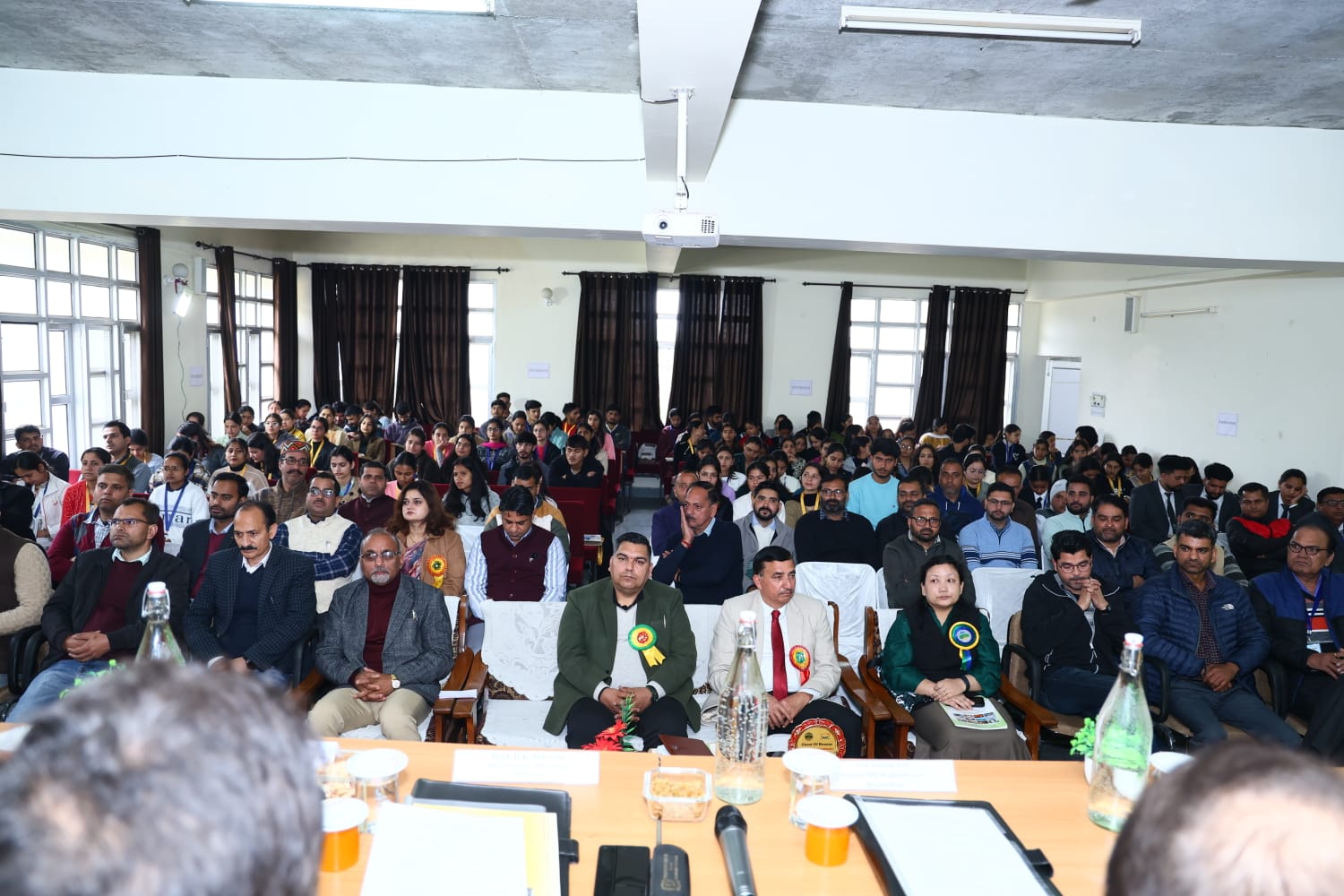
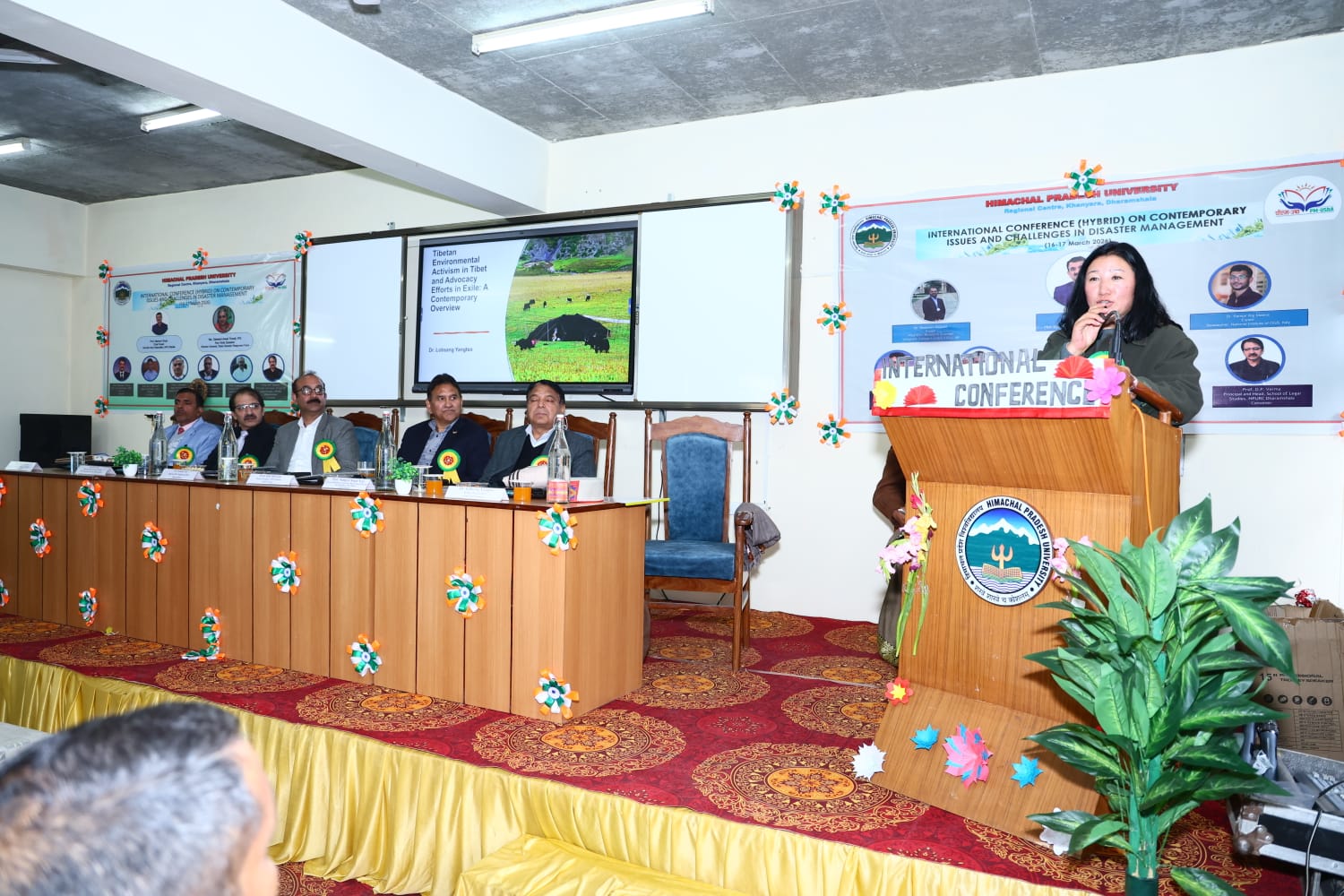
During the valedictory session on March 17, 2026, attended by around 200 participants, environmentalist Dr. Lobsang Yangtso delivered a powerful presentation, facilitated by the 108 Peace Institute, on “Tibetan Environmental Activism in Tibet and Advocacy Efforts in Exile.” The presentation drew strong interest from the audience, reflecting the urgency and relevance of the issue.
Dr. Yangtso warned that Tibet, Asia’s “Third Pole”, is facing an accelerating ecological crisis. She reasoned that unregulated mining, rapid deforestation, shrinking glaciers, and the forced displacement of nomadic communities are pushing the fragile Himalayan ecosystem toward irreversible damage. She underscored that this is not only a regional concern but a global one, as Tibet’s rivers sustain nearly 1.5 billion people downstream.
At the heart of this crisis, she highlighted, are courageous Tibetan environmental defenders who continue to protect their land despite severe repression. Activists such as Karma Samdrup, A-nya Sengdra, and Tsongon Tsering have faced long-term imprisonment for opposing environmental destruction, said the speaker. Environmental activism in Tibet, she noted, is increasingly criminalized by the Chinese Government, with communities denied any meaningful role in shaping environmental policy.
Despite these challenges, Tibetans remain resilient. The presentation discussed communities continuing their grassroots efforts in afforestation, wildlife protection, waste management, and environmental education. Presenting the data from 2010–2025, Dr. Yangtso reveals that most protests inside Tibet have been against mining, which has been severely met with detention, violence, and imprisonment. Yet, she said, resistance persists, driven by a deep dependence on the natural environment.
In exile, she shared, Tibetans are amplifying these voices through coordinated advocacy, conservation initiatives, and global engagement. According to her, participation in international platforms, including COP meetings since 2019, has helped frame Tibet as a critical climate-justice issue and draw global attention to the ecological importance of the Tibetan Plateau.
At the international level, Tibetan advocates have engaged United Nations mechanisms through shadow reports, briefings to Special Rapporteurs, and participation in Human Rights Council sessions. These sustained efforts have led to growing global scrutiny, parliamentary actions in multiple countries, and increased diplomatic attention. Notably, UN experts have raised concerns regarding the treatment of Tibetan environmental defenders.
Yet, significant challenges remain. She highlighted that inside Tibet, repression, surveillance, and environmental degradation continue unabated, while outside Tibet, advocacy efforts face resource constraints, geopolitical pressures, and barriers to accessing reliable information.
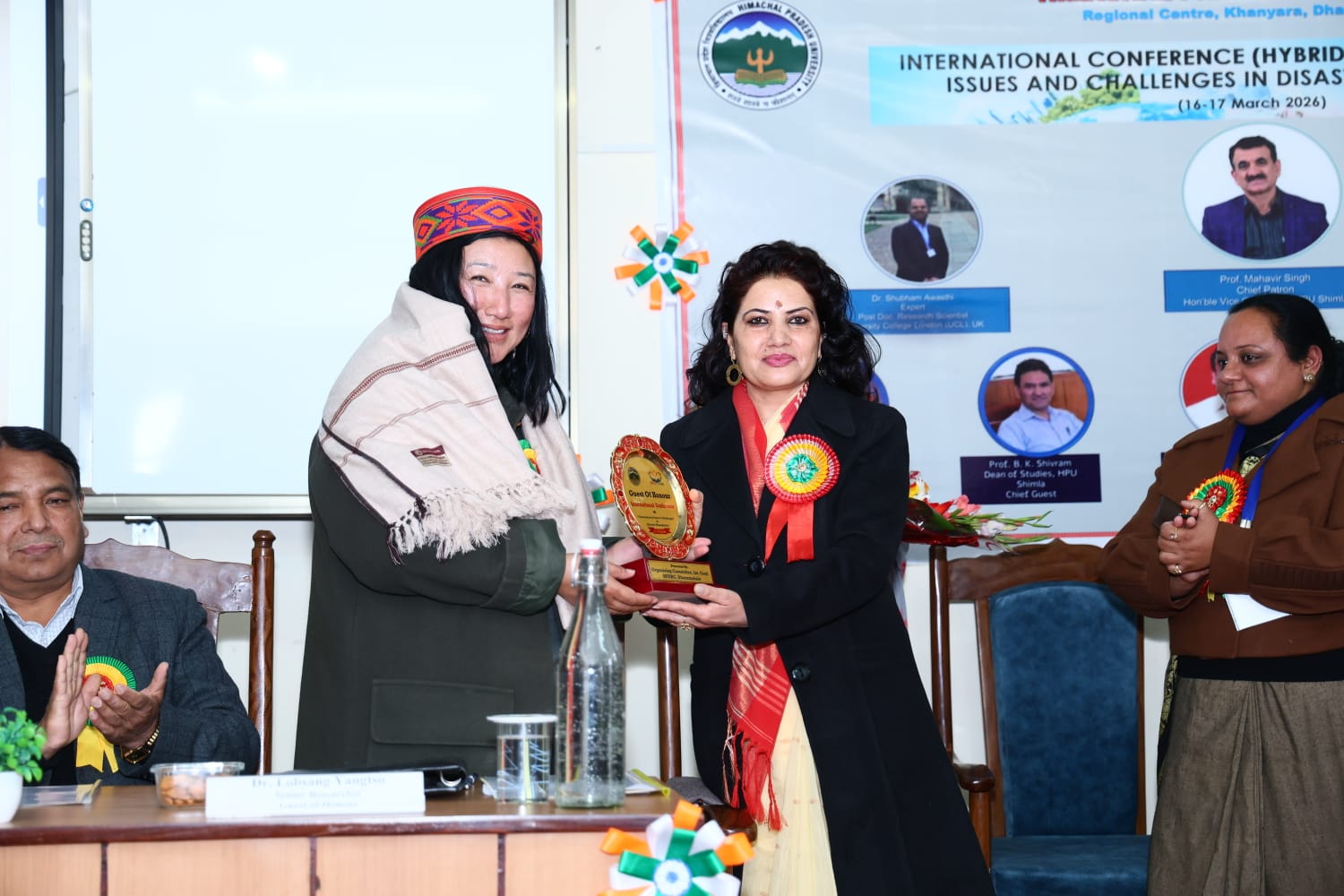
The valedictory session was graced by the Dean of Himachal Pradesh University, Shimla, the Head of the Himalayan Centre for Disaster Risk Reduction, the Director of HPURC, and other distinguished faculty members. The 108 Peace Institute and Dr. Lobsang Yangtso were honored with commemorative trophies and traditional symbols of Himachal Pradesh.
The 108 Peace Institute extends its sincere gratitude to Himachal Pradesh University Regional Centre and the organizing committee for hosting this timely and impactful conference, reinforcing the urgent need for collective global action.