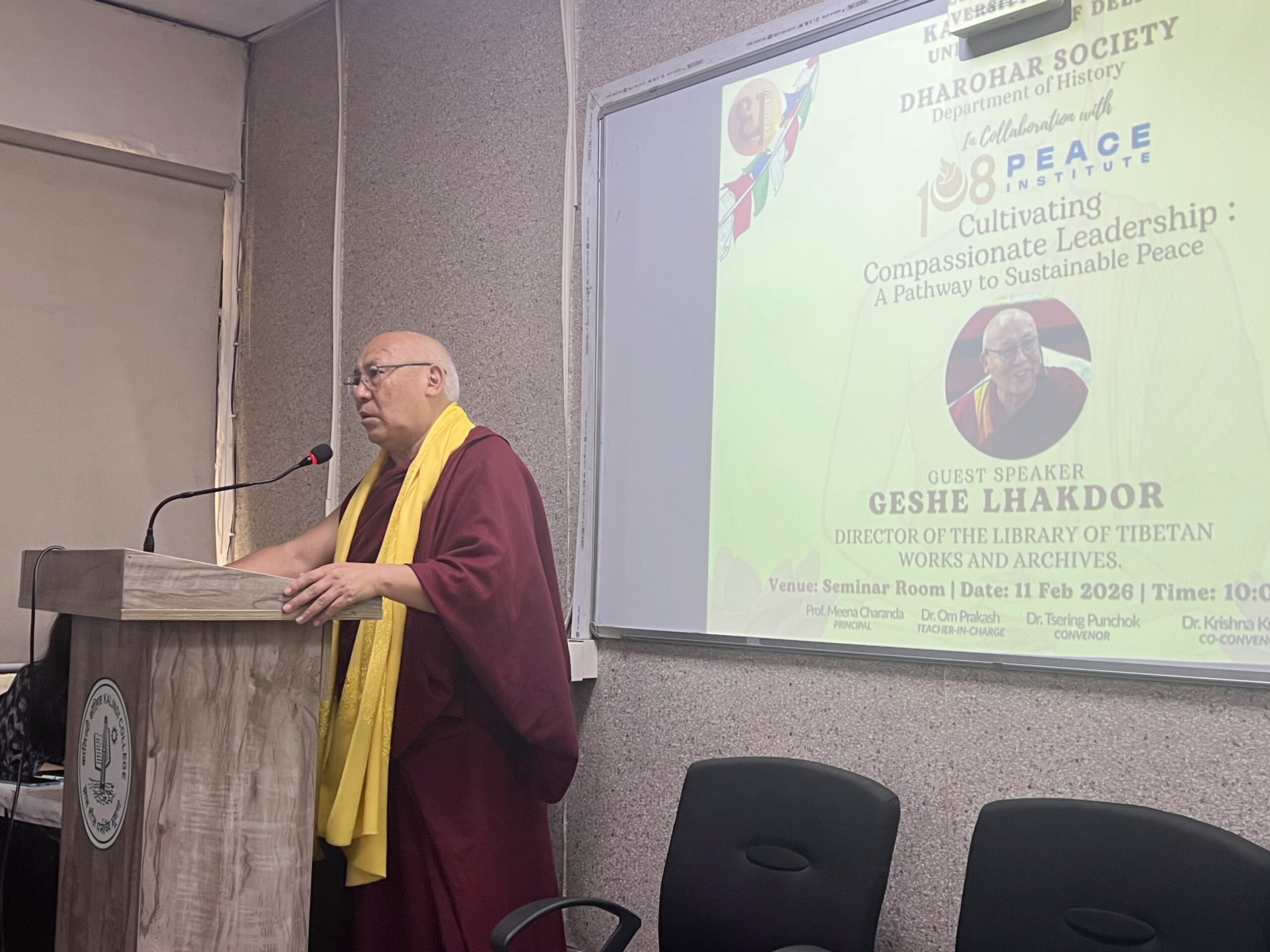
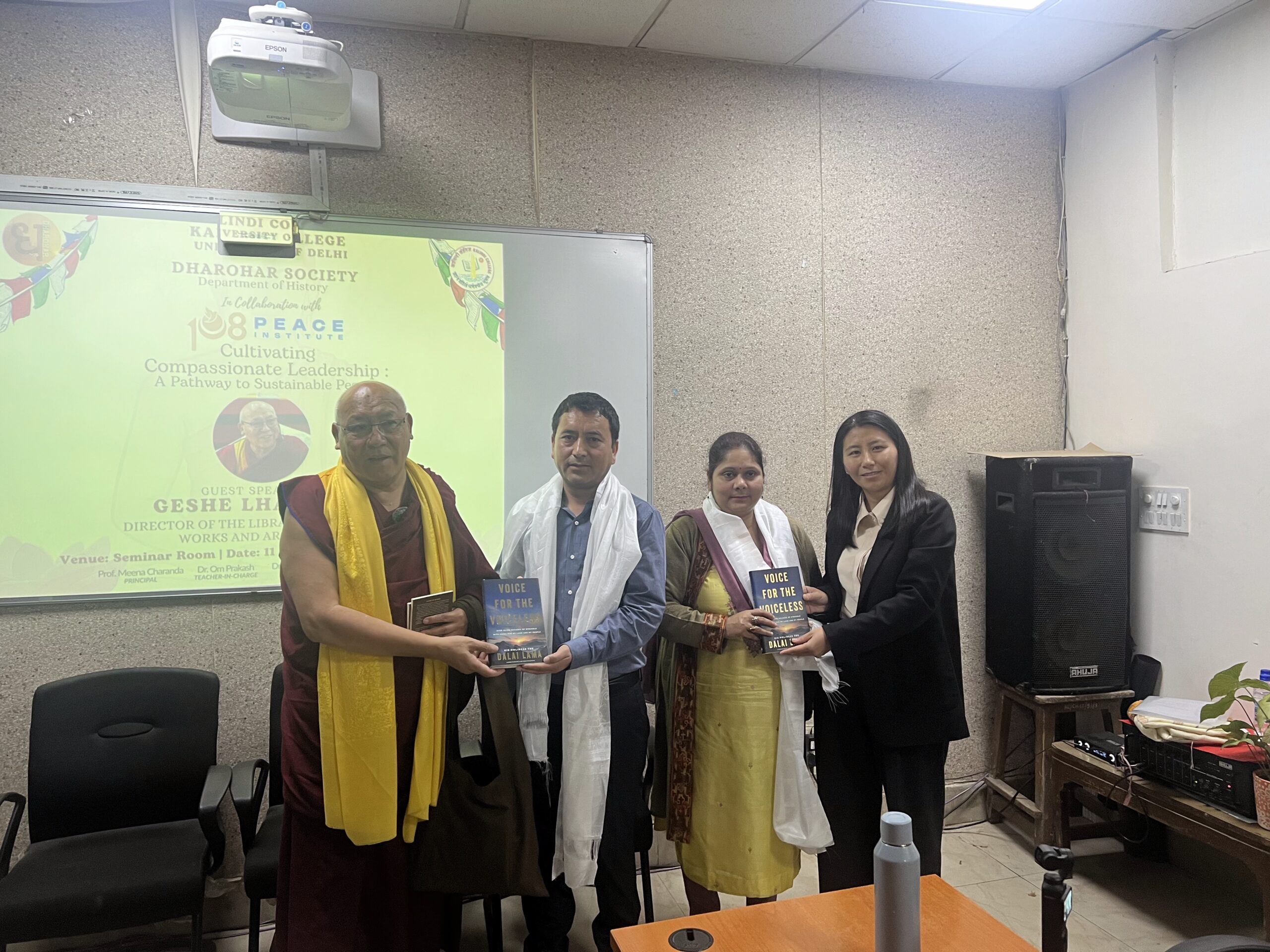
February 11, 2026: The 108 Peace Institute, in collaboration with Kalindi College, University of Delhi, organized a lecture session titled “Cultivating Compassionate Leadership: A Pathway to Sustainable Peace” featuring Venerable Geshe Lhakdor, a distinguished Tibetan Buddhist scholar and Director of the Library of Tibetan Works and Archives.
Geshe Lhakdor began his talk by reflecting on the source of long-lasting happiness, stating that true and lasting happiness arises from inner peace, which in turn comes from cultivating a compassionate heart. He noted that leaders who possess values such as compassion are more likely to make decisions that benefit society as a whole. Referring to the teachings of the Dalai Lama, he highlighted the importance of promoting universal human values including compassion, kindness, patience, and a sense of responsibility. According to him, education should go beyond academic achievements and focus on human flourishing by teaching individuals how to live harmoniously with others and develop a compassionate mind.
Geshe la explained that compassion is more than sympathy, it involves understanding the suffering of others and having the genuine wish to alleviate it. He observed that many of the world’s problems today, such as war, violence, and conflict, stem from a lack of compassionate leadership. Quoting Gautama Buddha, he noted that compassion is a foundational virtue, suggesting that one who holds compassion possesses all other virtues.
He further emphasized that compassion can be cultivated through reflection and meditation on the benefits of kindness, along with the recognition that every living being needs love and care. To illustrate this point, he said that when a child is born, it does not know any language but cries for the mother’s love and care, revealing that the human need for kindness is innate. A mother’s love, he noted, is unconditional, and every child is nurtured by this compassion. Similarly, in old age people depend on the compassion of others, reminding individuals to practice kindness while they are able.
Geshe Lhakdor added that compassion brings peace of mind not only to oneself but also to those around us, creating a ripple effect in society. He pointed to the example of the Dalai Lama, whose compassion has inspired people across the world and whose words often comfort and heal those facing emotional or mental distress.
He also stressed that material wealth alone cannot solve the world’s problems. If wealth alone could bring happiness, he remarked, the richest individuals would be the happiest people on earth. Therefore, he encouraged students to study the science of the mind, care for their mental well-being, and cultivate compassion so they can become responsible individuals who contribute positively to society.
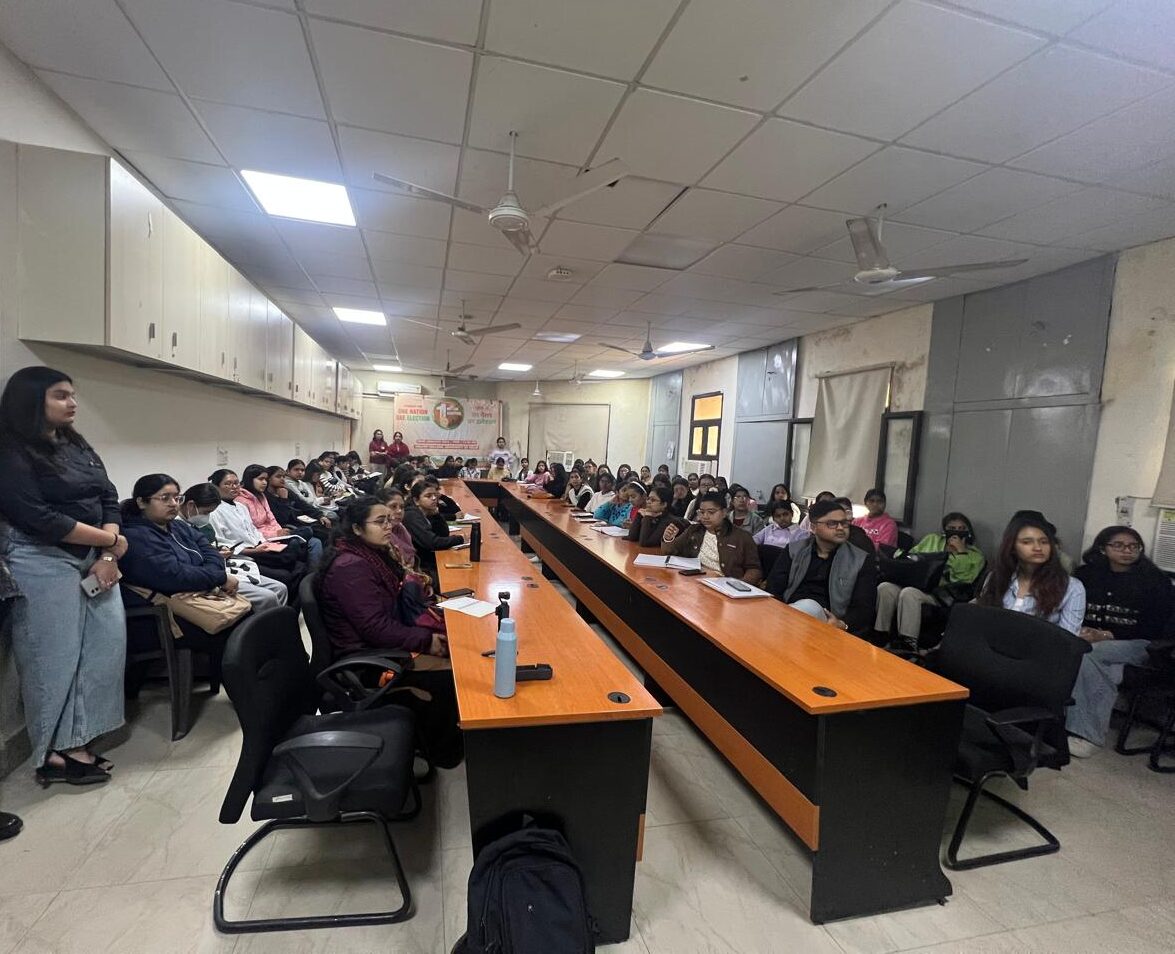
The lecture concluded with a lively question-and-answer session attended by around 70 students and faculty members.